

 Kiran C
 Kiran C
 Apr 07, 2026
Purchasing a pre-owned vehicle can be a significant financial milestone, but purchasing a used automobile in the context of a specific market requires each individual to have sufficient local knowledge and adequate planning. If you are planning to buy a used automobile in Bosnia and Herzegovina, you will be entering a positive market (with an abundance of potential), especially for European automobiles manufactured by well-known manufacturers.
However, the absence of a clear road-map when attempting to navigate the used automobile market can often result in stress and financial loss. This article will provide you with the information you require regarding the process of purchasing a pre-owned automobile in Bosnia and Herzegovina.
More specifically, this article will advise you regarding the necessary paperwork required to complete your used automobile purchase, as well as provide you with a comprehensive guide concerning the purchasing process and important tips concerning your personal safety in the transaction, to ensure your successful purchase of an everyday automobile.
By the conclusion of this article, you will have the confidence required to effectively negotiate a reasonable purchase price for an automobile and have the necessary knowledge and confidence to comply with the local regulations.

When purchasing a motor vehicle, the legal component can seem very difficult; however, if you are well-prepared with the proper documentation, the transfer of ownership will go smoothly. Vehicle registration (ie: the legal registration of the vehicle) and vehicle sales have stringent rules in Bosnia and Herzegovina.
If even one piece of documentation is missing, you could experience a delay in the purchase of a vehicle or put yourself at risk of being liable legally.
Prior to exchanging money with the Seller of a Vehicle, confirming the ownership of the Vehicle is essential. First, request to see the Ownership Document (Vlasnički Knjižni) and check that the name on it is the same as on the Seller's National Identity Card. If the Seller is acting on behalf of another person (a Principal), the Seller must be in possession of a legally notarized Power of Attorney to act on behalf of the Principal.
The registration document includes essential details regarding the car including; license plate number, engine specifications, and VIN (vehicle identification number). While checking the car, the VIN on the registration paper must match the embossed VIN on the dash or door jamb of the vehicle.
In Bosnia, all vehicles are required to go through an annual technical inspection to be permitted to drive. The seller must provide a valid certificate that demonstrates the vehicle has recently passed testing. If the inspection is nearly expired, this will be a good piece of information you can use to negotiate a lower price, as you will need to pay for a new technical inspection soon.
Once the parties have agreed on a purchase price, the parties will execute a formal Bill of Sale (Kupoprodajni Ugovor) outlining the specific terms of the transaction, the purchase price, and the details of the vehicle. For the Bill of Sale to be legally binding, it must be notarized by a local Notary Public in Bosnia.
Car insurance is mandatory in Bosnia. When purchasing a used vehicle, the insurance policy will not automatically transfer to the new owner. The new owner of the vehicle must either purchase a new Basic Liability Insurance Policy or work with the current insurance company to transfer the existing insurance policy to their name before legally operating the vehicle.
Many used vehicles in Bosnia have been imported into Bosnia from GermanyIf you have just imported your car, make sure you ask for customs clearance and proof of payment of all import taxes and duties, otherwise when you go to register your car, you will probably end up with a large penalty.
The following are steps that can be followed to ensure your purchase of a used vehicle is as pleasurable as possible while at the same time steering clear of potential pitfalls and complications:
The first step in buying a used vehicle is determining your budget. In order to set your budget, you need to take into consideration additional costs associated with owning a vehicle such as; registration costs, notary fees, insurance, and initial maintenance.
Conduct thorough research on your local market (Bosnia) as to what types of used vehicles appreciate the fastest. In Bosnia, Used European vehicles (ie—Volkswagen, Audi, Skoda) are in high demand because of mechanical ease of repair due to the availability of spare parts and knowledge by local mechanics.
To find vehicles available for purchase, use reputable local websites such as CarAgencia. When using CarAgencia, use the advanced search feature to specify parameters such as; city (Sarajevo, Banjaluka, Mostar), make/model of vehicle, mileage, and price.
Once you have located a vehicle of interest; do not hesitate to contact the seller. When contacting sellers be sure to ask detailed questions regarding the history of the vehicle, why they are selling, and if the vehicle has been in any accidents.
It’s not worth the risk to purchase a vehicle without seeing it first. Make arrangements to meet the seller during daylight, so that you can thoroughly inspect the vehicle's exterior and interior. Some things you should look for are: uneven panel gaps, mismatched paint, etc
All of these can indicate previous accident damage. Inspect the tires for uneven wear as this may indicate problems with alignment. Inspect the condition of the seats, steering wheel and pedals inside the vehicle. Excessive wear on these components combined with a low odometer reading can indicate mileage tampering.

Regardless of how beautifully maintained the exterior appears, there are various hidden underlying mechanical issues that could end up costing you thousands down the road. The seller must allow you to give the car an independent pre-purchase inspection by an outside mechanic.
A trusted local mechanic can lift the car up on a hoist, check for rust (which is common in Bosnia due to the long winters and heavy use of road salts), cartoon, inspect the suspension of the vehicle, and use a diagnostic tool on the vehicle computer to read hidden error codes.
You can evaluate how the vehicle performs by doing a test drive. For example, you could drive around town on city streets before taking the vehicle out onto the highway. When you take it out, turn the radio off so you can hear the engine and suspension sounds. You should also pay attention to how smoothly the transmission shifts, how much pressure is required to stop the vehicle, and whether or not the vehicle pulls to the left or right when making turns.
The last step in buying a used vehicle is negotiating the deal and finalising the sale. If you have passed your inspection, go ahead and negotiate a price with the seller using the issue(s) you found during the inspection to help you obtain a lower price for the vehicle.Once a definitive price has been determined, you will need to sign the contract with a notary public.
Once you've signed the contract and had it notarised, you will need to take both the car's documents and the notarised contract to your local MUP (Ministry of Interior) office in order to register the vehicle in your name.
You need to be careful — the used car market can be risky. To protect yourself, always be on guard and remember to have a degree of scepticism about every situation.
Odometer rollback in the used vehicle market is ongoing, therefore it’s critical to appropriately protect yourself by requesting the vehicle’s service booklet history of maintenance performed on the vehicle along with documented odometer reading at the service intervals. You might also use a VIN check service to verify the historical service records for that specific VIN against the odometer records.
Most of the time, if you are presented with a deal that appears to be too good to be true, it is typically a scam. You should never purchase a vehicle from someone who offers you a deal that they will not allow you to view the vehicle in person, who claims that they are currently out of the country, or who asks you to wire them money prior to seeing the vehicle. You should also only meet in locations that are well-lit and provide sufficient space for you to inspect or test drive the vehicle.
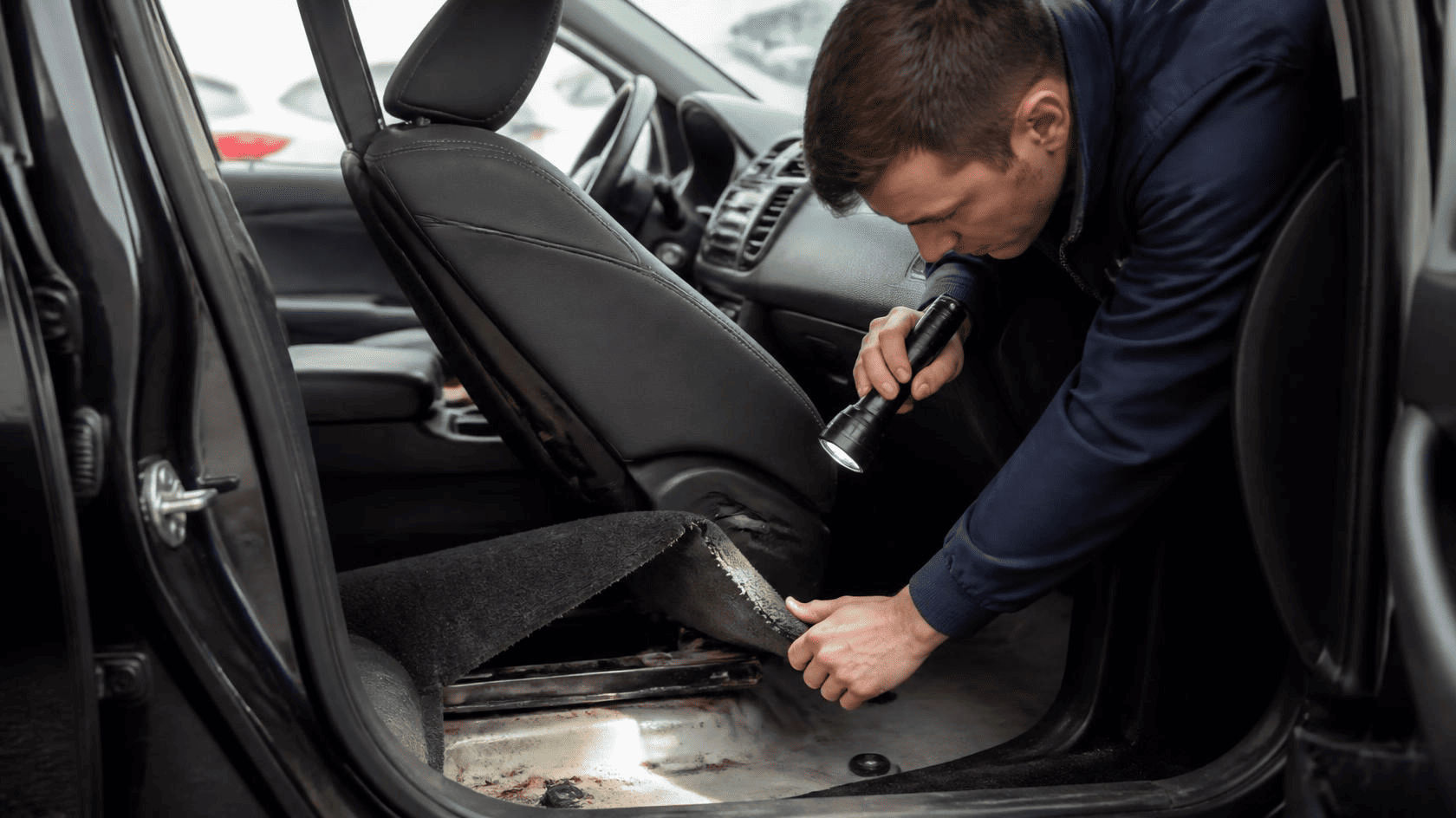
In the area, there could be torrential rains and minor flooding. When going to check out a vehicle, you should inspect for damage caused by flooding. One can look for evidence of water on upholstery, a musty smell, and so forth. Additionally, try to locate rust underneath the dashboard and on the tracks that hold the seat down.
When going to meet a private seller or someone who is selling a vehicle, ensure that you bring someone else with you. Sometimes you may miss flaws when you are having an extended conversation with the seller. Having someone else will also add an additional layer of personal safety.

The vehicle comparison and inspection checklists below are presented to help you keep track of your search for used vehicles and evaluate potential vehicles. The first table provides you with a comparison of popular car brands available in Bosnia, and gives you a general indication of the average price and mileage for each car brand. The second table is a summary checklist that you can bring with you to use during your vehicle inspections.

The process of purchasing a second-hand car in Bosnia and Herzegovina should be simple and not stressful. A good understanding of your local car buying market will help you get prepared for what documents you will require, as well as know what to inspect to allow you to purchase without reservation.
Take your time. Do not be in a rush to purchase any vehicle simply because it is visually appealing. Obtain the assistance of qualified mechanics to check under the hood, to confirm all documentation is legit, and to conduct a comprehensive road test of the automobile you are intending to purchase. Following these guidelines will ensure that you protect your investment, and that your new automobile will provide you years of reliable service traveling the beautiful highways of Bosnia.
The most important document needed to purchase a used car in Bosnia is a notarized bill of sale (Kupoprodajni ugovor) and the vehicle registration document (Prometna dozvola) in conjunction with examination of the vehicle itself. Without these documents you will not be able to transfer legal ownership to yourself or register to drive it.
Generally speaking, many people looking to buy cars will prefer to buy imported cars (from Germany or Switzerland) because they have typically been driven on better roads and have been maintained more rigorously according to the manufacturers' service schedules. Before purchasing an imported vehicle be sure to verify that all import duties and taxes are payable before you register it.
Typically, if you purchase a used vehicle from another individual in Bosnia, you will be required to pay an administrative tax for the transfer of ownership at the tax office prior to registering the vehicle with the relevant MUP office. The amount of tax is dependent on the age and engine size of the motor vehicle.
The easiest way to verify that a vehicle is not reported as stolen is to verify the VIN (Vehicle Identification Number) on the vehicle against the registration documents. You can also perform VIN checks online, and check with your local police department.
Provided that you use reputable websites to browse for cars online, this method of searching for a vehicle is relatively safe and highly encouraged. However, you should not complete the purchase of a vehicle or remit payment for the vehicle purchased until after you have inspected the vehicle in person, verified that the seller of the vehicle possesses the necessary supporting documentation, and have completed a thorough road test of the vehicle.
 How to Spot a Flood-Damaged Used Car Before You Buy
Sep 16, 2026
How to Spot a Flood-Damaged Used Car Before You Buy
Sep 16, 2026
 2017 Ford GT for Sale in Tirana for EUR 80000 – A Rare Opportunity to Own an Automotive Icon
Jul 10, 2026
2017 Ford GT for Sale in Tirana for EUR 80000 – A Rare Opportunity to Own an Automotive Icon
Jul 10, 2026


 Google
 Facebook