

 Kiran C
 Kiran C
 Mar 20, 2026
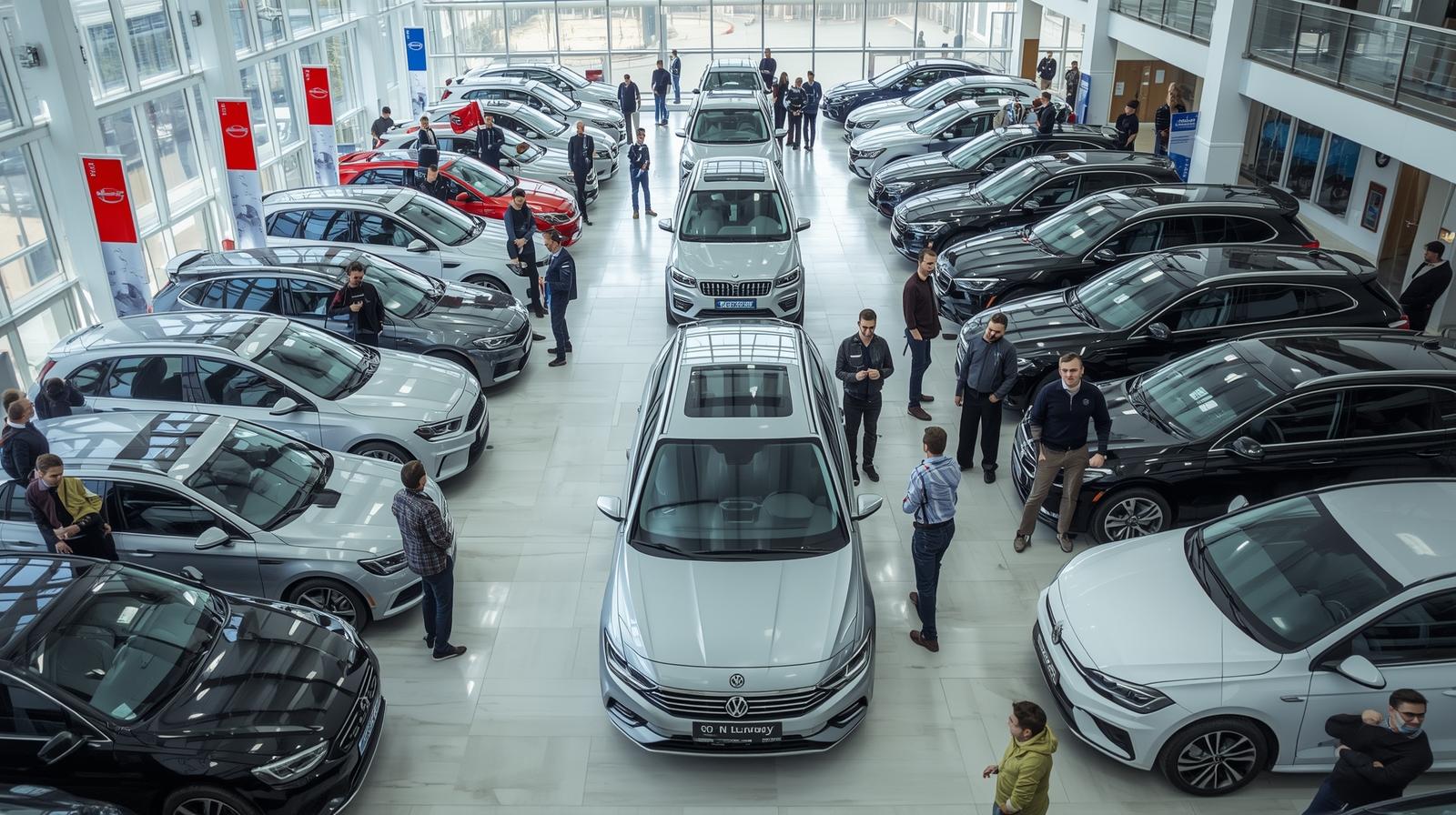
If you have begun searching for a used car in Bulgaria, it may seem like a daunting task; however, with a large increase in the demand for pre-owned vehicles in cities such as Sofia, Plovdiv and Varna, many buyers have discovered that they can receive quality, dependability and reliability from a previously owned vehicle without paying the depreciated value of a new vehicle. Although these opportunities exist, they need to be taken seriously and navigated carefully.
It is important to have an understanding of the Bulgarian automotive market and its associated nuances if you are an ex-pat looking for a small, reliable vehicle to drive in the city or a resident looking to upgrade a family SUV. For example, when considering your current vehicle (and any potential future purchase), you should be aware of the specific notary requirements when selling or purchasing a vehicle and how the road conditions in your area may impact the resale value of your vehicle.
This guide will provide you with complete information regarding your purchase of a pre-owned vehicle. We will detail the parts of the vehicle purchase process, including the paperwork required for your purchase, the step-by-step process of a vehicle purchase, any necessary safety inspections, and additional information that will help you be confident in your purchase when you leave the dealership.

Purchasing a pre-owned vehicle involves an adventure to complete. If you follow the right steps you can save not only time, but also money and anxiety by doing so. Below is the step by step procedure for finding a used vehicle in Bulgaria.
Prior to viewing any listings, you must first define exactly what you wish to accomplish through your vehicle ownership. For example, if you frequently commute through the mountainous regions of Bansko and Pamporovo, an all-wheel drive vehicle or larger SUV may be your only option.
If your daily commute primarily takes place on the narrow streets of Sofia's city centre, a compact hatchback vehicle will be ideally suited to you. Once you have clarified your needs, set yourself a spending limit. The sticker price you see on the car is only one stage in your total cost of ownership. Other significant factors to consider are: registration fees, notary costs, compulsory motor vehicle insurance, eco taxes and the immediate costs of maintenance which may include oil changes and replacing tyres.
Use the internet to find out what the general market prices are going to be for the particular make and model of car you desire in Bulgaria. You should also compare prices between different regions; frequently with the amount of travelling in Bulgaria you can do, you could find a significantly cheaper car outside of Sofia in a smaller town, such as Lovech or Shumen, than you could if you remained only in Sofia. Make a list of three to five vehicles which meet both your needs and budget.
Once you have identified a seller, whether a private individual or commercial dealership, ensure you ask all the appropriate questions before agreeing to view the vehicle. You should find out the origin of the vehicle; for example, most second-hand cars sold in Bulgaria have been imported from Germany, Italy or Switzerland. You will also need to know if the vehicle has a current GTP (Technical Inspection), as well as if the current owner has maintained an up-to-date service history to date.
It is always better to view a second-hand car during daylight hours, as it is far easier to see significant defects (such as poor paint match, minor dents, rust spots etc.), than it would be if viewed under artificial light or during inclement weather (rain or shadow). You should arrange to meet the seller at a safe (public) location.Take your time looking at the vehicle, noting how well aligned the panels are and the condition of the tires.
It is non-negotiable that you must take an extensive test drive of the vehicle being purchased. The best way to do this is to drive it once after the engine has cooled, test all of its systems and see if there are any starting problems or smoke coming from the tailpipe after running for a little while.
You should take the vehicle on many different types of roads to see if it shifts out smoothly and if it steers straight. Examples might be going through city traffic, driving the vehicle in excess of an hour on a freeway and driving it over a few bumps to listen for noises from the suspension. You should also watch how the transmission shifts when driving on these different roads and see if the steering pulls towards one side of the vehicle.
Once you are happy with the vehicle, you can discuss with the seller the purchase price of the car. Use the information you gathered from inspecting the vehicle to leverage the price down. You need to be polite in doing this but firm at the same time. If the price is not within your budget or market value for a vehicle like this and the seller refuses to lower the price, be prepared to walk away as there are many other vehicles available.

While the paperwork required when buying a car in Bulgaria may seem like a daunting task, if you understand what is needed, you will find that it is easy to complete. In Bulgaria, transferring title for a vehicle must be done using a legal process instead of just a handshake and an agreement written on a bill of sale as it is in some other countries.
When selling an already registered vehicle in Bulgaria, the transaction must be finalised by a public Notary.The presence of both the purchaser and vendor is required (or, if absence is excused, authorized legal representatives).
A notary public will identify and authenticate both purchasers and vendors, and also confirm the authority of the vendor to sell the vehicle as the legal owner. The following must be presented by all parties involved in the sale of a used motor vehicle:
Your current identification card and/or your passport.
Valid identification card of the seller.
The prepared contract for purchase and sale (Dogovor za pokupko-prodazhba)
The seller must provide the original vehicle registration documents. In Bulgaria, this comes in two parts:
Part I (The Large Card): This contains comprehensive technical data about the vehicle.
Part II (The Small Card): This is the document the driver must carry with them at all times while driving.
You need both parts to successfully transfer the car into your name at the local traffic police department (KAT).
The notary will require evidence that the vehicle's municipal tax has been paid for the year. If the seller has not paid vehicle taxes, the notary will not authorize ownership transfer; therefore, be sure to ask for a receipt stamped or otherwise showing zero balance from the local government.
You will also need to have active third-party liability insurance before you can register or drive the vehicle. If there is valid coverage on the vehicle and the previous owner has an active-policy personal insurance, you can transfer that to you; however, you must report to the insurance company within 7-14 days of buying the vehicle.
You must register the vehicle you have purchased from the existing owner at KAT (Control of Automobile Transport) within 30 days after signature of the sale. To register at KAT, you must provide a notarized contract for the sale; Identification of Yourself, the registration of the vehicle; a proof of insurance for the vehicle; receipt for the eco tax (if it is a newly imported vehicle).
If you purchase the vehicle from another province in Bulgaria, e.g., buying in Varna & living in Sofia, you will need to replace the license plate on the vehicle and then bring the vehicle to KAT for a visual inspection.

When buying a used car, safety should be your first priority. Just because a car looks good on the outside does not mean that it does not have any dangerous mechanical problems hidden on the inside. Below are some tips and tricks that can help you protect yourself and make sure the car you purchase is roadworthy.
The VIN is the vehicle's unique identifier. The VIN is typically located in the lower corner of the windshield and it is also stamped on the chassis inside the engine compartment of the vehicle.
The VIN listed on your vehicle registration should match the VIN on the vehicle; if they do not match, then you need to investigate the differences. You can also use an online database service to check to see if the vehicle has been stolen or was previously salvaged or has been involved in a serious accident in one of the other European countries.
Odometer manipulation is a global used vehicle phenomenon, and the same applies to Bulgaria. Even if a car has a reading of 120,000 km, its condition can severely contradict the odometer reading. Focus on the condition of key components such as the steering wheel, driver’s seat, and pedal rubbers.
Any or all of these items can show heavy wear/damage and strongly suggest that a car has been driven excessively and/or that the odometer reading is incorrect. Always ask the salesperson for servicing documentation showing service dates and mileage history, which have logical increments (i.e. mileage closest to factory discrepancies from oil change intervals).
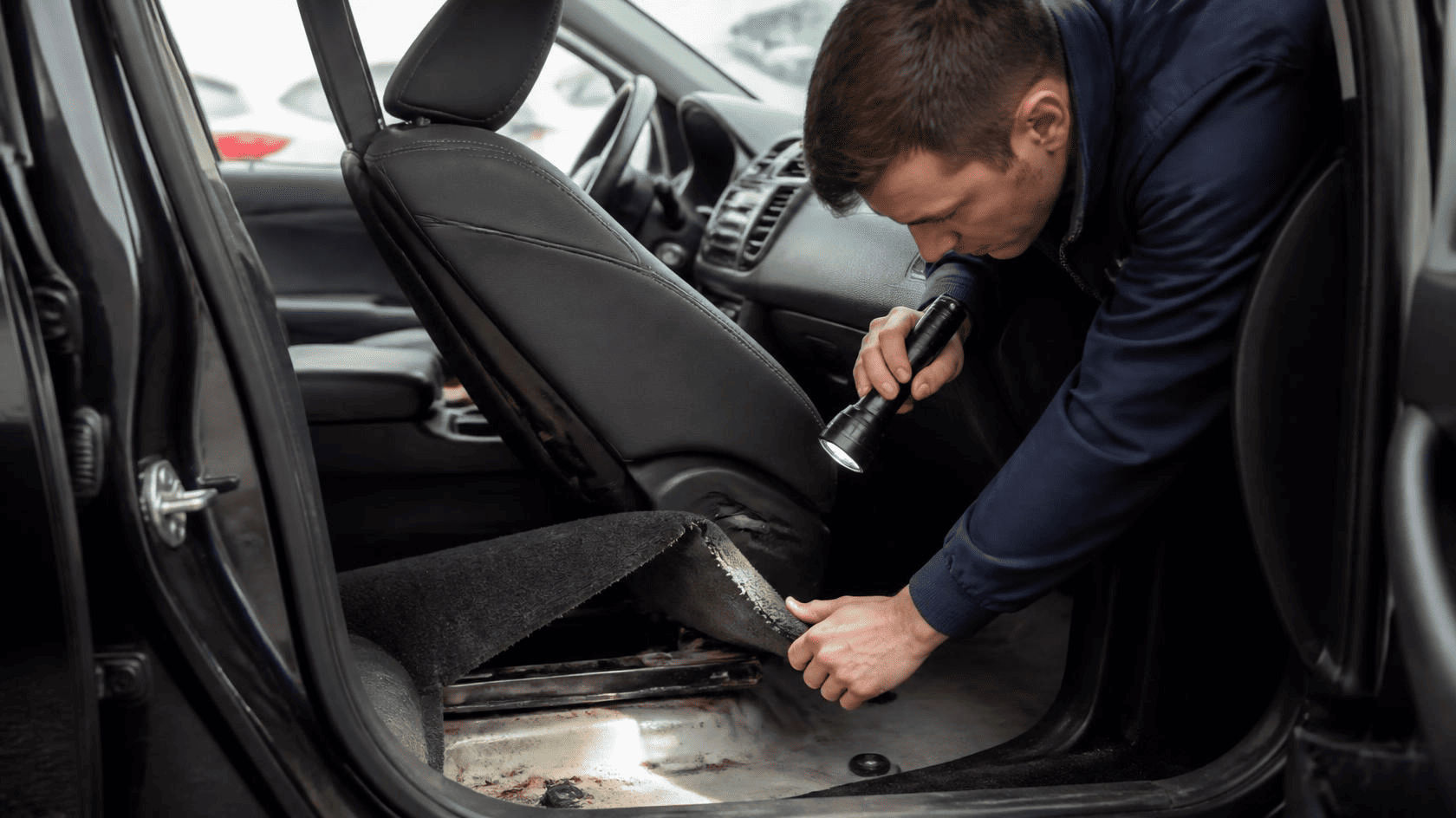
The Bulgarian winters (snow, ice, and road salts) can create significant vehicle rusting if proper care of the car is not taken. When inspecting for rust, squat down to examine the wheel arch areas, lower area of the door panels, and the exhaust area. Also, while inspecting the trunk of the vehicle, remove the carpeting to check for the presence of water pooling or improper repair type from potential collision.
If there are inconsistent gaps between doors and hood/ fender, or if doors don’t operate properly, chances are that the vehicle may have been previously involved in a collision.
Unless you’re an experienced automotive technician, always engage the services of an unbiased mechanic to inspect a used vehicle prior to finalizing the sale. Have the vehicle inspected at a reputable garage.Professionals typically elevate vehicles using lifts to examine their undercarriages and inspect the suspension systems for signs of wear. They'll also test the batteries and alternators and connect a diagnostic scanner to the vehicle's onboard computer to evaluate any hidden codes that may point to potential issues. For the small cost of a pre-buy inspection, you may avoid unexpected expenses of thousands of dollars in repairs.
When purchasing a vehicle, there are implications that extend beyond simply making the purchase. Analyzing the overall context of the purchase, properly managing finances, and selecting the appropriate seller must all be done.
When determining a budget, consider not just the cost of the automobile at the time of purchase. Certain brands will incur considerably greater annual maintenance costs than others in Bulgaria.
For instance, Mercedes-Benz and BMW will incur much greater repair costs compared to Dacia or Skoda. Furthermore, the annual city tax amount will depend on the size of the engine; a vehicle with a larger and more powerful engine will incur a greater annual vehicle tax than that of a smaller engine.
When purchasing an automobile, you generally have two options, to purchase from a private seller or to purchase from a used car dealer (referred to as either "auto house" or "avtokashta" in Bulgaria). Dealerships tend to import used cars in volume; therefore they have already incurred the initial eco-tax in addition to having completed the first registration document. Therefore, when the dealer sells the automobile to you, there will be a profit markup (the owner of the dealership has also incurred administrative costs to bring the vehicle to you) included in the selling price.
Alternatively, with private sellers, you may find a better value for your used vehicle; furthermore, you will be able to determine much more accurately how the vehicle was driven since it is a private seller; however, you have very little recourse if something should fail on the vehicle immediately following your purchase.
To use the national road network in Bulgaria (outside of municipalities), you must obtain a vignette (or electronic vignette) for your vehicle. Verify if the previous owner of the vehicle has a valid vignette for the past year. If necessary, you can purchase a vignette before using your recent vehicle for a weekend road trip; you can purchase them either on-line or at any fuel station.
To help you make the most informed decision possible, we have broken down some key comparisons into easy-to-read tables. First, let's look at the differences between buying from a private seller versus a dealership.
If you want to find out which brands are the most successful on the Bulgarian automotive market, use this list of automotive manufacturers to help guide your purchase decision for your new vehicle.

In the end, purchasing a used car in Bulgaria will not be complicated. Setting your budget very clearly, knowing what the market is like and looking very closely at both the car you are about to purchase, along with the related paperwork, will keep you from falling victim to many of the common "pitfalls," and to do that I would also recommend that you become familiar with the steps required to buy a used car in Bulgaria.
The process of notary and KAT registration is a normal part of the process for acquiring legal title to a vehicle. Be patient, don't skip the necessary step of taking the prospective vehicle for a test drive, and, above all, ensure you have an independent mechanical inspection performed.
Using all the necessary knowledge and a patient mindset, you will soon find a reliable vehicle that fits your lifestyle and budget, and is able to take you safely on the beautiful highways of Bulgaria.
If you want to legally purchase a registered vehicle in Bulgaria, then you will need at a minimum: your ID or passport, original Vehicle Registration Document (Part I & II), proof that the vehicle's seller has paid annual municipal vehicle tax, an active third-party insurance policy, and a properly signed and stamped contract to buy the used vehicle, signed and stamped by a registered public notary.
The best way to verify a vehicle's service history is to obtain the original service booklet and also to check to see if the stamp dates are logical to the mileage. If you remain uncertain, you can contact a certified dealership of that specific brand (for example, VW or Toyota dealership in Sofia) and ask them to check the VIN in their internal database.
Yes, you will be required to pay taxes and fees to register a vehicle in Bulgaria. You will pay notary fees associated with the acquisition of the vehicle that are based on the insured value or purchase price of the vehicle whichever is the larger amount. You will also pay vehicle registration fees and, if applicable, license plate registration fees. If the vehicle is being registered for the very first time in Bulgaria, then you will be responsible for paying an Eco Tax, in addition to the standard fees.
Since the conditions of Bulgarian roads vary, it is recommended that you consider purchasing either a Volkswagen, Skoda, or Toyota vehicle due to their enclosed reinforcement structure, reliability and because the cost of replacement parts are readily available throughout the country. If you want an affordable, high clearance vehicle to use on rural roads in Bulgaria, you will most likely want to purchase a Dacia vehicle.
To determine if you are paying a fair price, take your time to investigate the values of similar makes, models, years, and estimated miles per similar vehicle available on popular Bulgarian auto portals. As you are performing your inspection of the vehicle, take note of its condition - including the condition of tires, any immediate maintenance (for example: replacing the timing belt), and/or cosmetic condition, so that you may provide the information to the seller in a professional and appropriate manner to negotiate a lower priced as compared to the fair market value of the vehicle.
 How to Spot a Flood-Damaged Used Car Before You Buy
Sep 16, 2026
How to Spot a Flood-Damaged Used Car Before You Buy
Sep 16, 2026
 2017 Ford GT for Sale in Tirana for EUR 80000 – A Rare Opportunity to Own an Automotive Icon
Jul 10, 2026
2017 Ford GT for Sale in Tirana for EUR 80000 – A Rare Opportunity to Own an Automotive Icon
Jul 10, 2026


 Google
 Facebook