

 Kiran C
 Kiran C
 Mar 20, 2026
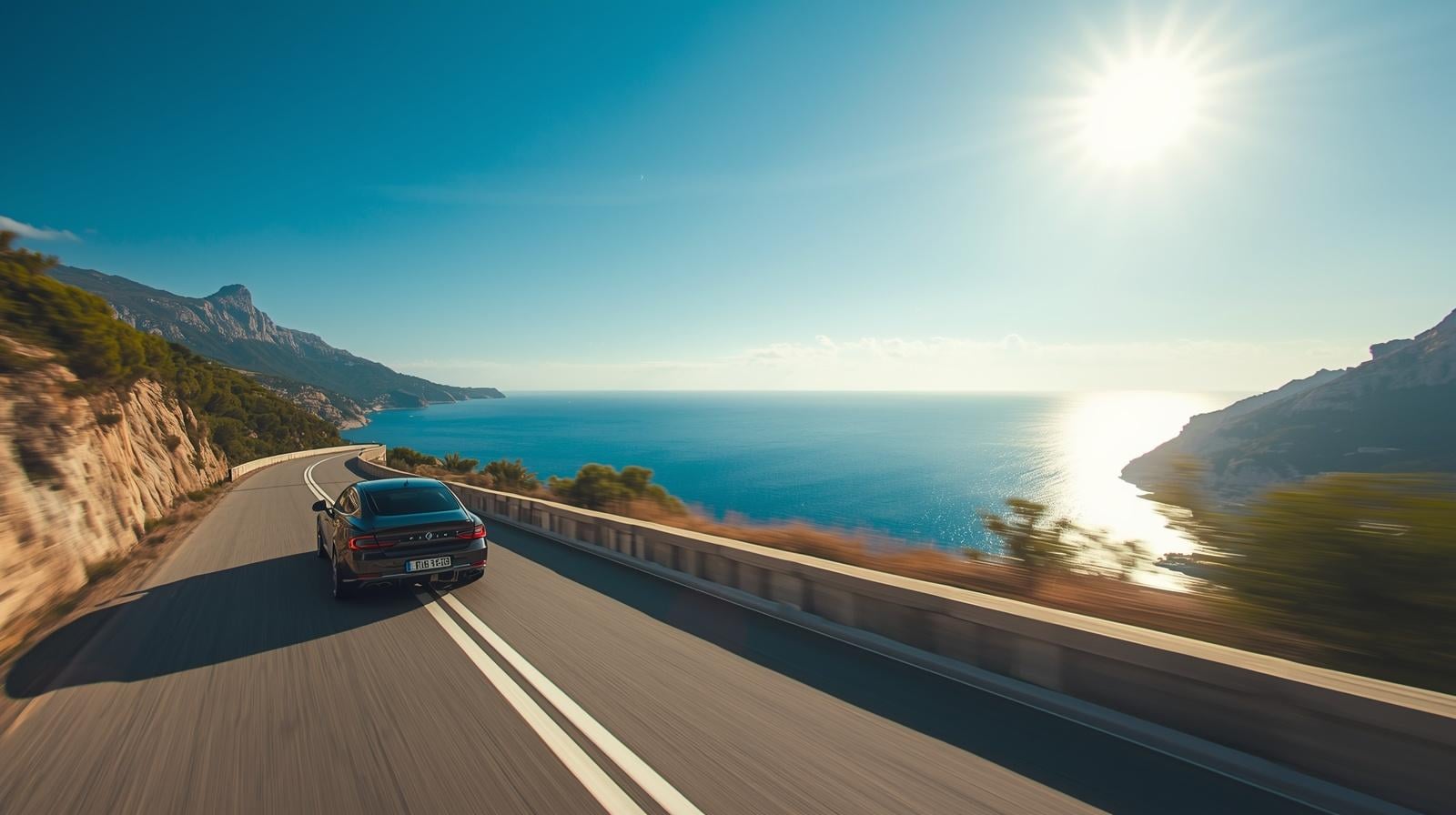
The freedom afforded to individuals who drive a vehicle around Croatia is unparalleled. Whether you are driving along the picture-perfect coastline of Dalmatia, taking in the magnificent rolling hills of Istria or commuting through the historic streets of Zagreb on your way to work each day, it is critical that you purchase a reliable vehicle in order to fully enjoy your driving experience in Croatia. For many expatriates and local residents alike, purchasing Used Vehicles is by far the most advantageous option when it comes to obtaining a vehicle for personal use.
The Croatian Used Car Market is vast and offers a plethora of options. There are many fuel-efficient city cars that will travel easily down the narrow streets of the desirable coastal areas, such as Dalmatia or Hvar, and there are larger Sport Utility Vehicles which will allow you to travel across-country with an entire family, particularly if they require large numbers of children as passengers.
There is a need to be well-informed regarding the Used Car Market in order to successfully navigate through the buying process. After you select a vehicle that you like, and you have paid for the vehicle, there are still many local requirements, safety regulations and other factors that you will have to follow in order to ensure that your purchase is both legal and safe.
This guide is designed to provide you with all of the necessary information that you will require prior to making the purchase of a used car in Croatia. This will include the most important documentation you will require, a step-by-step guide on how to purchase your vehicle, important safety precautions and other critical market information which will enable you to make an informed and confident decision when purchasing your vehicle.

Prior to reaching out to potential sellers of used cars, or visiting used car lots, you should familiarize yourself with the current conditions and trends present within the Used Car Market in Croatia.
Understanding the current local market conditions regarding pricing, trends regarding popular brands and types of vehicles and what condition you should expect to find any particular type of automobile located within the country will help you save money and find the best values.
The used vehicle market in Croatia is quite fast-moving; thousands of cars can be found throughout the significant towns of Croatia, such as Rijeka, Osijek, Split, and Zadar. There are many sellers in this market, including private individuals and licensed dealerships.
Many people prefer to buy from private sellers because they would typically be cheaper; however, dealerships may have some form of limited warranty on the vehicle being sold and may help with some registration paperwork.
The roads in Croatia are primarily paved with various car brands; almost every vehicle on Croatian roads is manufactured in Germany. The majority of German-made cars use high-quality materials, are reliable, and have a supply of parts readily available locally, such as Volkswagen, BMW, and Audi.
For instance, Volkswagen Golf is a very popular car among people with tighter budgets or for those just starting out, while many other people may be purchasing new BMW 5 Series because they are seeking more luxury or high-end features.
Cars from both France and Italy are also commonly used by Croatian citizens. Some of the most widely used urban vehicles in Croatia include: Renault Clio, Peugeot 307, and multiple Fiat models. There are numerous other makes that would work well in cities and the surrounding area, such as Skoda, Opel, and Toyota.
Used vehicle prices can vary between each seller based on the make, model, year, and mileage of the specific vehicle. The following are general budget tiers found in the used car market in Croatia:
Up to €5000: Within this price range, you will find many of the older model cars with high mileages. The Volkswagen Golf's made in the early 2000's, older model Opels(eg Astra), or small cars(eg Mazda 2, Renault Clio) will generally have over 150000 kms and make good starter vehicles for the novice driver.
€5,000 - €15,000: Many first-time buyers are likely to search for a used car within this price range.You can discover a variety of well-looked-after sedans, hatchbacks, and used SUVs. Examples of cars you may find here are 2011 Skoda Octavia, 2013 VW Golf and 2017 Nissan Qashqai.
€15,000 - €30,000+: In this more affluent level is where you will find many low-number km (Kilometres) new cars. Ranging from because some are new cars available, such as a new Opel Corsa or Renault Clio and on the other end of the spectrum you have top-of-the-line cars, such as: 2016 Audi Q2 and 2019 Volvo V90.
Mileage should be one of the most crucial factors in assessing a used vehicle. A rule of thumb in Croatia is that the average driver drives between 10,000 and 15,000 km annually. Therefore, you can expect a vehicle to have between 100,000 and 150,000 km on it if it is a 10-year-old vehicle. The diesel engine is also predominant in Croatia and with proper maintenance can generally withstand much higher mileage in comparison with gasoline engines.

Paperwork can be the most important part of purchasing a used car in Croatia from a legal standpoint. Missing a signature on a particular document could delay your registration and keep you from driving your new vehicle. The following is an outline of important documents and administrative procedures that you will have to complete before you can register your vehicle.
The Sale Agreement (Kupoprodajni Ugovor) is your basic document. You can purchase a Sale Agreement form from most local stationary stores (Narodne Novine), or download your Agreement from the internet. It should include:
Personal details of both the buyer & seller: (Name, Address, OIB - Personal Identification Number).
Detailed vehicle information: (Make, Model, Year, VIN, Registration plate Number).
Agreed purchase price.
Sale date and location.
This document must be signed by both parties (i.e., the buyer of the used car & the seller) before a notary. In Croatia, previously the seller's signature was verified by the notarization of a public notary; however, due to legislative changes, this no longer has to be true in most cases unless a private sale or sale between family members takes place in which case having a notary notarize the contract is a good idea because it adds an extra layer of protection.

Vehicle Registration Certificate (Prometna Dozvola)
The seller has to give you the original vehicle registration certificate (prometna dozvola) for the used car you are buying. The vehicle registration certificate will prove that the vehicle was legally registered and you will need this document for you to take over the registration of the car.
The seller should provide proof of technical inspection (e.g.: proof that the used car has passed their annual technical inspection); all vehicles must pass their annual technical inspection in order to legally drive on Croatian roads. Providing you with the most recent technical inspection is important because it will provide you with confirmation that the vehicle is safe for driving (e.g.: basic safety requirements and emissions).
All vehicles must have a basic liability insurance policy to legally drive in Croatia; when purchasing a used vehicle, generally speaking, the existing insurance policy of the seller will be valid until its expiration; however, you will have to formally transfer insurance cover to you with the existing insurance company at the time of the sale or the seller may choose to cancel the policy whereby you will have to obtain a new insurance policy before being able to drive away with your used vehicle.
When purchasing a used vehicle from a private seller, you will be responsible for paying an administrative registration transfer fee, which usually depends on the engine size and age of the vehicle you are purchasing.At the local STP (Technical Inspection Station) you can handle the payment, allowing for a much faster and easier process to transfer ownership versus previous years.
Buying a used car can be an involved process. By following a systematic approach, you will not miss any important pieces of information about your potential purchase. The following steps illustrate how to buy a used vehicle in Croatia.
The first step is to determine your financial capabilities. Establish how much money you are willing to spend on a vehicle and how much additional money you will need to spend once you have made your purchase. For example, once you purchase a used car, you may need to perform an oil change, purchase new tires, obtain insurance and pay for the transfer of ownership.
The next step in the process is to assess your vehicle needs. If you live in one of the coastal cities like Pula or Zadar, you may want to consider purchasing a small hatchback as they are easier to park. Conversely, if you want to travel often across the country, a more comfortable sedan or SUV may be a suitable rental.
Once you know what vehicle you want and how much you are willing to pay for it, you can begin searching for a vehicle to purchase. The purchase of a used vehicle is typically done on the internet, from local dealerships or via posting in classified ads. When searching for vehicles online, you can filter by manufacturer, make, mileage and geographic location. Look for vehicles located within a reasonable distance, so that inspections (see next step) can be completed more easily.
Once you have found a potential vehicle that meets your needs, you should contact the seller of the vehicle. Make sure you ask specific and directBefore purchasing a used vehicle, check the service history of the vehicle, inquire if the vehicle has sustained any damage in the past, and why the seller is letting go of the vehicle. If the seller is not open to answering those three questions or is evasive in their answers, then you would want to look for a different vehicle.
You should physically see the used vehicle before acquiring the car. Set an appointment to meet the seller in the daytime, and a public parking lot that has sufficient lighting. Walk around the entire exterior of the vehicle looking for signs that may indicate previous damage, such as the presence of rust, the presence of paint that has a different shade than on the other parts of the vehicle, or if the panels of the vehicle are misaligned. Walk through the interior checking for excessive wear on the steering wheel, brake and accelerator pedals, and seats.
You must take the vehicle for a test drive. Start the engine when it hasn’t been started in a while to see how the engine turns over when cold. While driving listen for any unusual noises coming from the engine, such as rattling or knocking noises. Make sure to test the brakes, the responsiveness of the steering, and the transmission of the vehicle while driving. Ensure that all of the electronics are functional (example: air conditioning, windows and radio work properly).
If you are interested in the vehicle, request that the seller allow you to examine the vehicle by an independent mechanic. A qualified mechanic might notice problems with the vehicle that you might overlook (example: worn brake pads, evidence of leaking fluid and evidence of suspension issues).
It is customary for people in Croatia to negotiate the price of a used vehicle. Use any imperfections found during the inspection to respectfully request a lower price than the original asking price. Compare the original asking price with current market prices for similar cars to help establish a greater bargaining position for the negotiation.
If you agree to the price of the vehicle, complete the sales contract in its entirety and thoroughly. All data should be accurate. Make all payments in a secure manner (the preferred method is bank transfer to create a secure paper trail). Ensure that you receive all the keys and all supporting documentation needed from the seller.
Take a signed copy of the sales contract, the vehicle registration certificate and identification card to the nearest Technical Inspection Station (STP) - Pay any associated administrative fees. After you complete payment, the Technical Inspection Station (STP) employee will transfer the ownership of the vehicle upon receipt of all required documents and issue a new vehicle registration certificate stating you as the new owner.
When purchasing a used vehicle, there is always a degree of uncertainty; however, by following several tips, as outlined below, you can mitigate the potential risks associated with this type of transaction in the Croatian marketplace.

Before paying for a used vehicle, be sure to verify the vehicle’s history. The seller should provide you with the maintenance booklet (servisna knjižica). A vehicle that has been properly maintained by qualified professionals should have numerous stamps by qualified professionals indicating oil changes and major repairs.
Alternatively, you may also use other resources, such as online services that provide a history based on the vehicle identification number (VIN) of the vehicle to confirm if the vehicle has ever been reported stolen, damaged, or involved in a major accident prior to being imported into Croatia.
Odometer rollbacks are an endemic issue in the used vehicle market throughout Europe. Unscrupulous used vehicle sellers may roll back the odometer reading, thereby creating the appearance of a lesser-used vehicle than what actually exists. Look for any physical signs indicating more than the "claimed" odometer reading such as extremely worn pedal assemblies, shiny or worn steering wheel coverings, or worn-out cloth coverings on the driver's seat.
Additionally, you may wish to contact your local Technical Inspection Station in Croatia to obtain verification of odometer readings from all prior annual inspections.
You must verify that the seller is the true owner of the vehicle and has the lawful authority to sell the vehicle. If the seller purchased the vehicle using a loan provided by the bank and has not satisfied the loan, then the bank may have a lien on the vehicle that could render the transaction null and void. You may verify the legal status of any potential liens against the vehicle at upholding Road Safety Standards
Croatia has a strong and respected reputation for road safety compliance. Therefore, during an inspection or when purchasing a vehicle, one should always check the condition of the tires rigidly. Driving on worn-out tires makes driving very dangerous, as well as illegal. The same goes for checking the functionality of all lights/indicators, as if one misses any of these, they will have to replace a few of the basic items when they go in for their primary technical inspection.
It is unwise to pay any seller in cash until after you view the vehicle and verify all documents. If a seller is asking to send money through wire or asking for money to be sent through various types of services or if a seller claims that they are in a foreign country and will ship you the vehicle, you should be very wary. You should only buy from reputable sellers by meeting them in person and prefer the use of secure bank transfers.
Whether you are a first-time buyer or an experienced shopper, purchasing a used vehicle in Croatia should not be overwhelming. If one does their due diligence in terms of understanding the marketplace, knowing what to buy based on brand, and properly doing their paperwork appropriately, then any individual should be able to purchase a vehicle that meets your necessary lifestyle and budget.
Finally, in preparing for an inspection, always place your own safety above anyone else by always examining the car to ensure there are no unsafe conditions, checking the vehicle's history to assure there are no doubts about it, and ensuring that the Technical Inspection Station properly conducts the transferring of vehicle ownership.
Regardless of whether you choose a more cost-effective vehicle like the Renault Clio for quick trips around town or an upscale vehicle like the BMW 5 Series for long highway drives, following these steps carefully will help you feel confident when driving your new vehicle off the lot. Enjoy the stunning roads of Croatia in your new vehicle!
To purchase a used vehicle, there are a few required documents. You will need a standard sales contract (kupoprodajni ugovor), which both the buyer and seller must sign. In addition to a signed sales contract, the seller must give you the original vehicle registration certificate (prometna dozvola) and evidence of a positive and current technical compliance inspection. You also must present your personal identification card and OIB (personal identification number) when you change ownership.
You can request from the seller a copy of the vehicle service book to see past maintenance. You can also take the vehicle to a local technical inspection station (STP) to review the vehicle's registration and obtain the official mileage listed on the inspection reports from each previous year to confirm that there has not been an odometer rollback.
Yes, when you purchase a used vehicle from a private seller, there is an administrative ownership transfer registration fee based on the age and engine power (kW) of the vehicle. You will pay this fee at the technical inspection station (STP) when you change the vehicle registration.
Much of the used car market in Croatia is made up of reliable German brands such as Volkswagen, BMW, Audi, and Opel. French brands also have a large presence in the Croatian used car market (such as Renault and Peugeot) along with practical brands from Skoda and Toyota. The most commonly known car brands in Croatia tend to have easy-to-find spare parts, and local repair professionals know how to service them.
The best way to assess whether the vehicle measures up to Croatian road safety standards is to confirm that the vehicle has current technical compliance inspection documentation. Prior to purchasing the used vehicle, personally inspect the depth of tread on the tires, ensure that all vehicle lighting works properly (inside and outside the vehicle), and ensure that braking is effective. The best way to ensure that a vehicle is safe for use on Croatian roadways is to have it inspected by an independent technician before purchase.
 How to Spot a Flood-Damaged Used Car Before You Buy
Sep 16, 2026
How to Spot a Flood-Damaged Used Car Before You Buy
Sep 16, 2026
 2017 Ford GT for Sale in Tirana for EUR 80000 – A Rare Opportunity to Own an Automotive Icon
Jul 10, 2026
2017 Ford GT for Sale in Tirana for EUR 80000 – A Rare Opportunity to Own an Automotive Icon
Jul 10, 2026


 Google
 Facebook