

 Kiran C
 Kiran C
 Mar 24, 2026
The purchase of an automobile marks an important event in the life of the consumer. When purchasing a vehicle, the purchaser will want to ensure that the vehicle suits their lifestyle, is within their financial means and is capable of reliable performance for many years. Additionally, there is a rapidly growing market in Hungary for used cars.
From Budapest to Debrecen, the majority of car buyers are discovering a tremendous amount of value in purchasing used vehicles. Buyers have access to a vast array of vehicles, ranging from small, fuel-efficient hatchbacks designed for city driving, to lavish sedans at a substantial savings when compared to the dollars spent on a new vehicle purchased in a dealer's showroom.
However, when entering the vehicle market, it can be a bit intimidating without a map. In addition to considering the actual vehicle's mechanical condition, you must also consider all legal paperwork associated with the vehicle, any hidden expenses related to the vehicle, and fair market value pricing for the vehicle.
If you do not know exactly what you should be looking for and making notes regarding the vehicles and their respective conditions that you are considering, you could potentially find yourself in a position where you will actually end up spending more money on vehicle repairs in the future than you saved on the vehicle's purchase price.
This guide will explain each step of the purchasing process of a used vehicle in Hungary. In addition to discussing the necessary paperwork, we will provide you with several safety tips that you can implement as part of your vehicle purchase, as well as a step-by-step guide from the time you begin your vehicle search until you are in possession of your vehicle keys.

Before you consider test driving any vehicles, you need to create a solid foundation upon which to base your purchases. The earlier you set your parameters, the less likely it is that you will make an emotional purchase and the more you can limit the scope of your search.
When you purchase an automobile in Hungary, you should take into consideration some extra costs associated with being an automobile owner. The first of these is a Vagyonszerzési Illeték, which is a transfer tax that varies depending upon both the age and engine power of the vehicle. You should also expect to budget for the Eredetiségvizsgálat or mandatory authenticity test as well as the Forgalmi Engedély or new registration card.
Beyond the governmental fees, you will need to allow for immediate maintenance. Smart purchasers will always create a budget for any immediate repairs to be done on their vehicle such as changing oil, replacing filters or purchasing a new set of tires. This will ensure that after the initial purchase, you do not deplete your bank account on day 1.
Many buyers focus solely on the odometer's mileage. Although you would prefer a low mileage vehicle, do not assume that a low mileage vehicle is in perfect condition. By comparing vehicles with 150,000 km on the odometer, primarily highway km, versus a second vehicle with only 50,000 km on the odometer, mainly city driving, it is easy to see that the vehicle driven primarily on the highway could possess much less wear than the vehicle driven primarily in the city.
The next consideration should be the maintenance history of the vehicle. Service records provide an indication of how well the previous owner(s) maintained the vehicle (i.e., how often the oil was changed/repaired, said components replaced on a weekly basis, etc.). The best you can do is find a vehicle with a complete service record of oil changed and promptly replaced parts rather than find the lowest mileage vehicle.
Driving conditions are very different in Hungary; for example, the Budapest area presents excellent opportunities for driving a smaller vehicle, provided that you do not have a parking area that could accommodate larger vehicles, such as a Suzuki Swift or a Volkswagen Golf.
On the other hand, if you plan on regularly travelling from city to city or have multiple passengers, you would want to select an automobile that will provide enough room for you and other passengers (comfortable sedan, SUV like a Skoda Superb or Honda CR-V) while maintaining the integrity of your highway travel.
When selecting a specific vehicle to purchase, it is very beneficial for you to research parts availability on your preferred manufactures in Hungary. It stands to reason that the more popular manufacturers in Hungary will have greater availability of parts at lower cost, in addition to having experienced technicians who are familiar with that particular manufacturer.

The process of purchasing a used car is a systematic and straight-forward approach that will prevent the purchaser from making common mistakes and ensure they get the best value for their money.
The first step is to search for trustworthy online sources. Browse the internet and look for similar vehicles that are available and document how much they are being sold for on different sites. After you find a comparable vehicle to make and model you want, see how much they sell for in different model years and different trim levels.
This will give you a good idea of what the average sale price is. Once you compile this information, if you see an asking price that is much higher or lower than your compiled value, you can make an informed decision about whether or not it is a good deal.
Once you find a vehicle that you are interested in purchasing, call the seller and ask questions prior to physically viewing the vehicle. Good questions to ask are as follows:
How many years have you owned the vehicle?
Do you have a complete service history?
Has the vehicle been in an accident?
Why are you selling the vehicle?
If the seller hesitates to answer you or gives you vague responses, this should raise a red flag. Honest sellers will be more than willing to tell you all about the history of their vehicle.
A person should always visually inspect a used vehicle during daylight hours. Pay close close attention to the vehicle's exterior and inspect for any irregularities in paint color or texture. These may indicate that the vehicle has been repaired as a result of having been in an automobile accident. Check the spacing between the doors, hood, and trunk. All gaps should be equal.Inspect the Interior of the Car
Check the interior upon opening the doors. Ensure there is a reasonable amount of wear-and-tear on the steering wheel, pedals, and driver's seat that corresponds with the vehicle's mileage display. For example, if the speedometer reads 40,000 km, yet the steering wheel is very jagged where the leather is worn off, then it is likely that the odometer has been tampered with.
Make sure you take the car for a test drive prior to purchasing it. First, start the cold engine and listen for noises such as rattles, knocks, and squeaks.
Next, take the car through a variety of driving scenarios including a low-speed city driving scenario and then try driving it as fast as you can on the highway. While driving, be attentive to the way that the vehicle's transmission shifts and test the brakes vigorously to see if the car pulls to one side. Finally, test every button in the cabin, including the air conditioning, windows, and radio.
If you love the vehicle after taking it for a test drive, use your previous research to negotiate the price with the seller. Use your mechanical evaluation and point out any maintenance items in order to lower the price. Be polite yet firm throughout the negotiation process. Be determined to determine how much you are willing to pay for the vehicle prior to the negotiation process and physically walk away from the negotiation if the seller will not negotiate the price with you.

Navigating the used vehicle market requires good judgement and caution. Therefore, your number one priority is to protect yourself from being scammed and/or buying a poorly maintained vehicle.
In Hungary, the Jármű Szolgáltatási Platform (JSzP) is available to help consumers make an informed decision prior to purchasing a used vehicle. The JSzP is a free governmental program that allows users to search and verify the official history of any vehicle in Hungary by entering the vehicle's registration plate.
The JSzP provides information such as previously recorded mileage associated with the vehicle during technical inspections while also providing information regarding any prior accidents associated with the vehicle.
By checking in JSzP prior to purchasing a vehicle you will prevent yourself from purchasing a vehicle that may have had an odometer rollback or hidden frame damage. You should always verify that the information provided to you by the seller corresponds with the information listed on the JSzP.
Unless you are a trained professional, you will not be able to identify all of the mechanical issues prior to purchasing a vehicle. By hiring an independent mechanic to perform a pre-purchase inspection, you will gain the best peace of mind possible. A professional mechanic will typically place the vehicle on a lift to inspect the vehicle from underneath for any significant rust, or leaking fluids, or significant suspension damage.
A professional mechanic will also have the ability to use a scan tool that can be plugged into the vehicle's on-board computer in order to check for any hidden issues with the vehicle. If a seller will not allow you to have an independent mechanic inspect the vehicle, you should immediately walk away from the negotiation.
Be mindful of sellers who put pressure on you to complete the process quickly. Scammers often use this tactic by telling a potential buyer that another buyer will arrive shortly. Never wire money or pay a deposit on a vehicle until you have met with the seller and verified all of the necessary documentation. Always check that the name on the seller's government issued identification matches the name on the vehicle's registration.
If the seller states that he is selling the vehicle on behalf of a friend or family member, exercise extreme caution, as this is a very common tactic used by scammers to avoid liability for selling a defective vehicle.
Transferring ownership of a motor vehicle in Hungary is very precise. Missing just one signature can cause a long delay in registration and can create many headaches for all parties involved.
Both buyers and sellers will need to show proof of identity. A standard form of ID will be required for both the buyer and seller (személyi igazolvány). The buyer will also require proof of residence (lakcímkártya) and proof of tax number (adóigazolvány). The seller must have an ID closely matching the car's current documentation.
The motor vehicle will need to be transferred with its original log book (törzskönyv), which serves as the official proof of ownership. The buyer will also need to receive from the seller the current registration card (forgalmi engedély) for the vehicle. The vehicle identification number (VIN) listed on these two documents must match the VIN that is stamped onto the vehicle's chassis.
In order to sell a vehicle in Hungary you cannot simply write your own contract out on a blank sheet of paper. Instead, you will need to use a government-produced, standardized vehicle ownership transfer contract (Adásvételi szerződés).
There are four carbon copies of this contract; two for the seller of the vehicle and two for the buyer. The contract must contain the official date and time of the handover, the vehicle mileage at the time of the sale, and must be signed by two official witnesses.
In order to transfer ownership of the vehicle to the buyer, the government requires that the vehicle first pass an authenticity test (Eredetiségvizsgálat). An authenticity test ensures that a vehicle is not stolen and that the engine and chassis numbers have not been altered.
The buyers and sellers usually agree beforehand as to who is going to pay for this test, but in order to do the legal transfer of ownership, you must have the certificate relating to the completion of this test.
Until you have liability insurance for your vehicle, you cannot legally drive your car home. In Hungary, the law requires that on or before the day of signing your contract (FYI: purchasing your vehicle), you must obtain obligatory third party liability insurance – called kötelező gépjármű felelőségbiztosítás (KGFB). To verify which company offers the best rates, you can quickly and easily obtain quotes from many different sources online.
After you have the purchase contract; vehicle authentication certificate; and your liability insurance policy – then you must go to the government office (Kormányablak) within fifteen (15) days to register your vehicle. At this time, you will need to pay property transfer tax; give old documents to the office; and receive a new vehicle registration card. Your new logbook will be sent to your registered address in approximately 2-4 weeks after you register.

If you approach the used-car buying experience in Hungary with knowledge, appropriate research, and an understanding of the legal documents required, you will greatly reduce the risk of experiencing any unanticipated expenses. Tools such as the JSzP and an independent mechanical inspection help put you back in control.
Stay within your budget, include the appropriate transfer tax when determining your purchase price, and do not allow anyone to pressure you into making a decision. Your ideal vehicle is out there waiting for you!
If you feel ready to take the next step towards purchasing a vehicle, it is time to research your options. Begin today to find the ideal vehicle that meets both your budget and lifestyle requirements. Visit CarAgencia now to access an extensive selection of authorized, quality pre-owned vehicles available throughout Hungary at the most competitive prices.
Being familiar with how the Hungarian system/procedures work will assist you in being able to navigate through the market with ease. Commonly asked questions by buyers include:
To purchase a car in Hungary, you'll need a personal ID, your address card, and a tax card. If you're buying from a private seller, you will also need to receive the logbook (regisztrációs könyv, erdélyi e. szám), and registration documents (forgalmi engedéllyel) to complete the transaction. Lastly, you must sign an official four-page sale contract (adásvételi szerződés) that both you and the seller (along with two witnesses) must sign.
You may check the history of a used car at no charge from the government's online service in Hungary, JSzP (Járműzszolgáltatási P.) Simply enter your license plate number, and you will have access to previous mileage reports, accident history, inspection images, and other relevant information about the vehicle. After this, you may also wish to complete an "Examination for vehicle authenticity" (E.g., Eredetiségvizsgálat). This ensures that the vehicle's chassis and engine numbers have not been altered.
Yes, any used car purchased in Hungary will be subject to transfer tax (vagyonszerzési illeték) upon registering the car at Kormányablak. The cost of the transfer tax will depend on the age of the vehicle and its engine performance (in kW). Older vehicles with lower engine performance will have a lower transfer tax assessed than a newer vehicle with higher-engine performance.
Yes, a foreigner can purchase a car and register it in Hungary if they have an official Hungarian address card (lakcímkártya) and an official Hungarian tax ID (adószám). There is no difference in the purchasing process for a Hungarian citizen (natural person) versus a foreigner.
The elapsed time to register your vehicle in your name is 15 days from the date of sale, per government legislation. Typically, the actual time required to visit the Kormányablak is less than one hour if you have the proper documents for registration, proof of insurance, and the certificate of authenticity for vehicle registration. You will receive your new certificate of registration immediately after the registration process.
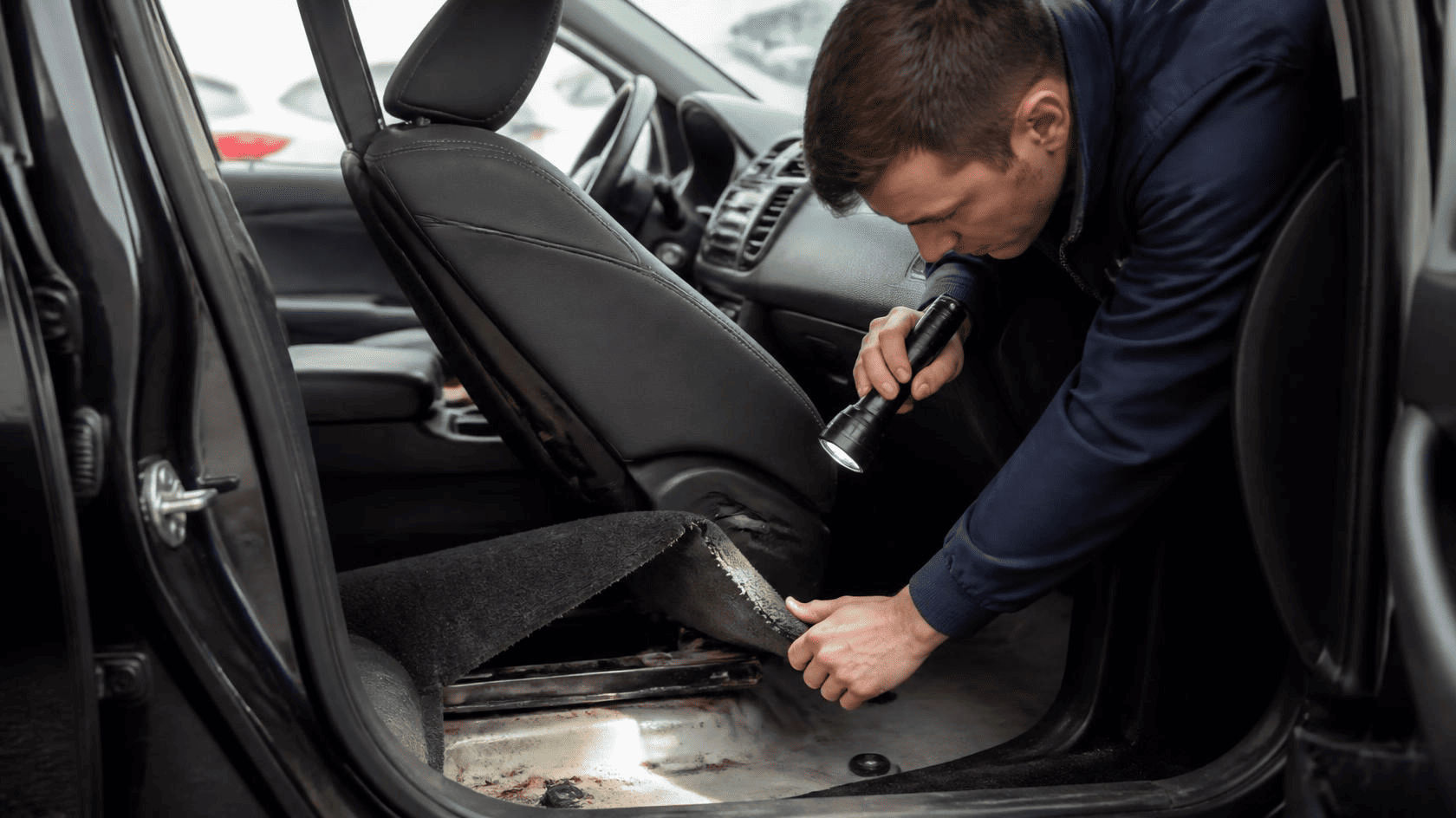 How to Spot a Flood-Damaged Used Car Before You Buy
Sep 16, 2026
How to Spot a Flood-Damaged Used Car Before You Buy
Sep 16, 2026
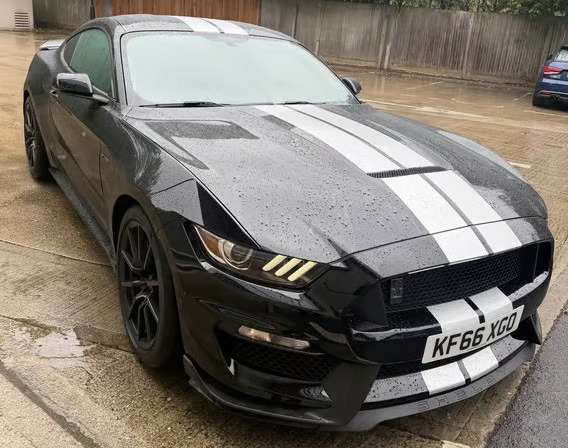 2017 Ford GT for Sale in Tirana for EUR 80000 – A Rare Opportunity to Own an Automotive Icon
Jul 10, 2026
2017 Ford GT for Sale in Tirana for EUR 80000 – A Rare Opportunity to Own an Automotive Icon
Jul 10, 2026


 Google
 Facebook