

 Kiran C
 Kiran C
 Jan 03, 2026
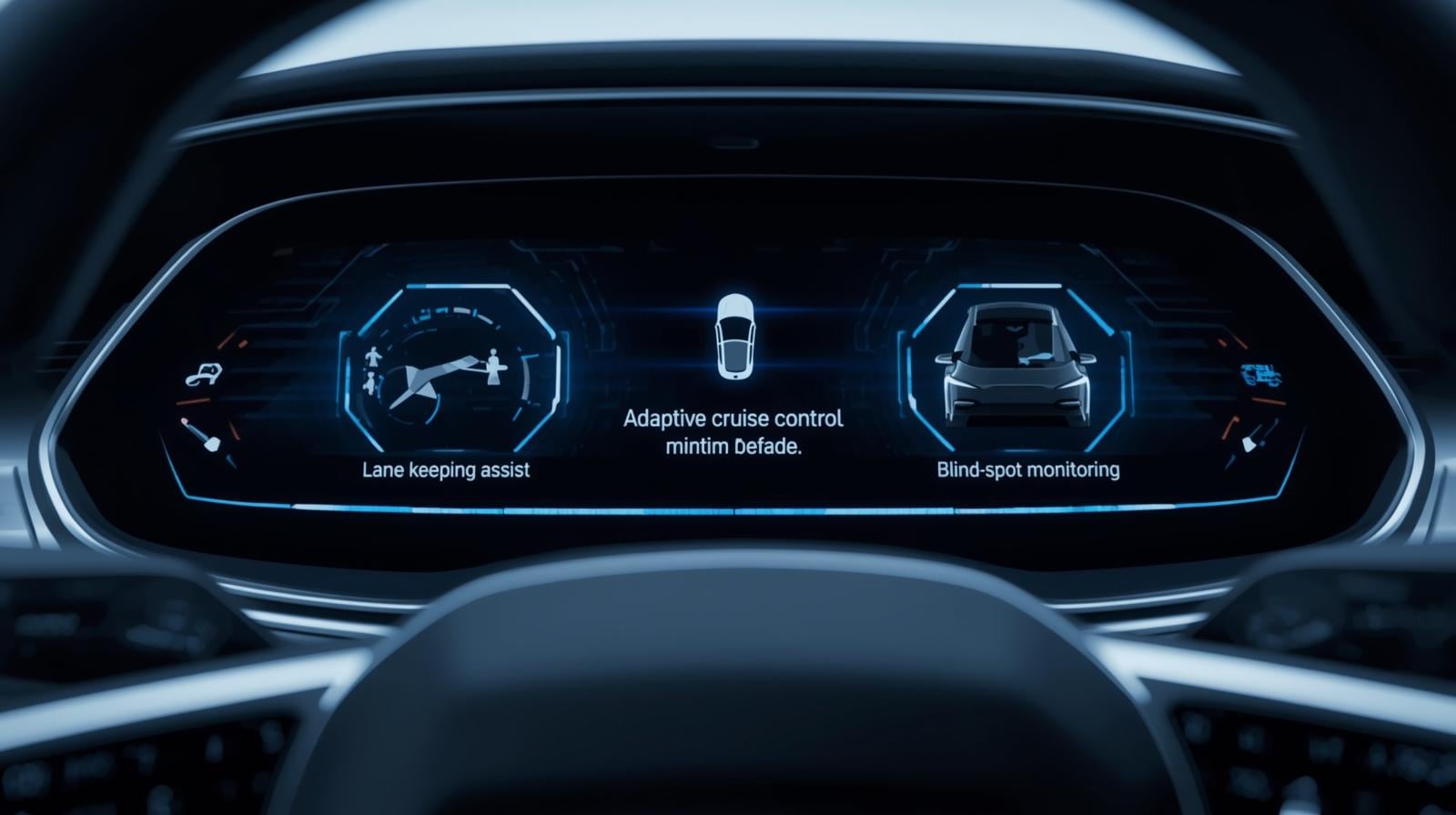
In recent years, technologies such as automatic emergency brake systems OR lane keeping assist systems were considered to be similar to movies or our favorite stories, but with most manufacturers including these technologies as standard equipment on most of their models this has been a big development.
And with the introduction of these technologies into the market we are now seeing the impact of these technologies on automotive consumers and how they will affect the pricing of used cars will have an impact on the safety, reliability, and cost of maintaining or repairing these vehicles.
It’s important to understand the dynamic created by these technologies when purchasing or selling a pre-owned vehicle. No longer is it a luxury feature, but rather a key part of the process by consumers searching for an economical and safe alternative to purchasing a new vehicle at a higher price point.
This guide will identify some of the different ways that these technologies have impacted the used car marketplace and give insight as to how buyers and sellers will need to adjust their thinking in order to take advantage of this technological evolution.

Before we get into the specifics we will clarify what is included under the term “ADAS.” In general it’s a broad definition and refers to an assortment of various electronic devices that assist and improve the safety of the driver. ADAS systems are NOT 100% autonomous.
ADAS systems use various sensor devices, cameras, and radar that will continuously monitor the vehicle and surrounding area for the driver and either alert them OR take over part of the control of the vehicle.
When you're shopping for a used car, you might encounter a wide range of ADAS technologies. Their names can vary by manufacturer, but their functions are generally similar.
When considering an ADAS-equipped used vehicle, a consumer should carefully weigh the positive and negative aspects. There are benefits and risks of purchasing an ADAS-equipped used vehicle, and consumers should consider both before purchasing a vehicle that has ADAS.
One of the many questions people have about advanced driver-assistance systems (ADAS) is how it affects the price of a used car. Advanced driver-assistance systems increase the complexity of how vehicles are valued (what something is worth), what it costs to repair, and how much insurance a vehicle may cost.
Cars that have a full suite of advanced driver-assistance systems generally have a higher resale value than those without. As safety becomes a more important consideration for many families and individuals, it is likely that the demand for these features will continue to grow.
For example, a 2018 model equipped with advanced driver-assistance systems could be similar in price as a 2019 entry-level model that did not have them.
As the availability of advanced driver-assistance systems increases for new cars, it is expected that the prices of older cars that do not have advanced driver-assistance features will drop more quickly. For sellers of cars, highlighting the fact that they have advanced driver-assistance systems is an effective marketing tool.
For buyers, it may be worthwhile to consider paying a little bit more upfront to buy a car with advanced driver-assistance systems, as it is likely to retain its value better over time.

Although advanced driver-assistance systems improve safety for drivers, they also create new opportunities for maintenance and repair of vehicles. The cameras and radar used to create these systems are often located on the exterior of the vehicle, in locations that are particularly vulnerable to accident damage (e.g., the windshield, bumper, mirror area).
As an example, replacing a windshield would not typically require a lot of time, but it would require recalibrating the camera and radar used for lane-keeping and automatic emergency brake systems. Replacing that same windshield.
However, will require not only the new glass but also the recalibration of The process of calibrating advanced driver assistance systems (ADAS) requires trained technicians and specialized equipment (those that can range anywhere from hundreds to thousands of dollars). A simple fender bender causing damage to the radar sensor located in the bumper can lead to extreme repair costs.
Many insurance companies recognize the safety benefits associated with ADAS systems. As a result, many insurance companies offer discounts on vehicles with crash-avoidance features that have been proven to reduce the number and severity of accidents, such as:
Automatic emergency braking
Forward collision warning
Blind-spot monitoring
Make sure you tell your insurance company about all the ADAS systems included in the used vehicle you are considering and ask for a quote that reflects those systems. While the savings may not be huge, over time, they can help defray the increased repair costs associated with these types of systems.
When test-driving a used car that has ADAS features, you should not just concentrate on the engine and transmission performance. You need to also check that the safety systems are operational.
Be Aware of Warning Signals: When you turn on your vehicle, take a look at the dashboard and note any warning symbols associated with ADAS. Some common ADAS warning icons include "ACC", "LKA" and generic system malfunction indicator. These symbols should quickly illuminate, then shut off; failure to turn off could represent a fault condition.
Test Functions in Controlled Environments: While out on a leisurely drive, test out the system at a low-traffic location. Utilize the adaptive cruise control while driving on highways. If driving on a multi-lane street, test to see if the blind spot monitoring system lights up whenever a vehicle/other road user is in the adjacent lane. You should never attempt to test the automatic emergency braking feature yourself.
Inspect the Vehicle for Damage: Check the bumper, windshield and grille for evidence of damage or recent repairs. If the bumper is not properly aligned or the windshield has been poorly replaced, it's likely the ADAS sensors were not properly calibrated when the parts were replaced.
Obtain Vehicle History Reports: In addition to providing insight into accidents that may have caused damage to the ADAS components of the vehicle, a vehicle history report may also provide crucial information on whether the vehicle has been manufactured or marketed as a new/used automobile.
Obtain Pre-Purchase Inspection(s): This is the most important factor when selecting a vehicle. Take your vehicle to an experienced automotive technician or repair facility who is experienced with scanning the ADAS system for malfunction codes. A qualified technician can identify any hidden electrical problems that may not be detected during a test drive.

There are many makes/models of vehicles with ADAS that have become available within the last few years. Use the following list of ADAS-equipped vehicles, which will give you a good idea of which vehicles to purchase.
This section contains all of the above-mentioned information for ADAS-equipped vehicles along with the corresponding package names.
The information in this table is a great place to start when searching for a vehicle, but keep in mind that it is not an exhaustive list. Be sure to confirm the specific functions or features on the actual vehicle you are interested in, because many of them were either optional or part of a higher trim level.
Advanced Driver Assistance Systems (ADAS) have quickly evolved from a new technology to a standard in modern vehicle design; they will soon become a major factor in the used car market. These systems provide a significant safety benefit to you and your family while driving.
In addition, they will give you more options for how much you will have to spend on your used car and the costs associated with the maintenance and repair of these systems. However, the potential benefits of having these systems far outweigh the costs involved.
As long as you know what ADAS is, how to inspect it, and the cost associated with it, you should feel confident in your search for a used car that offers you not only reliability and affordability but also the latest in safety technology. The right used vehicle will provide you with the peace of mind normally associated with purchasing a new vehicle.

For most people, yes. Safety features such as these can help to reduce the chances of being involved in an accident and thus potentially protecting you from becoming injured and incurring high repair bills. Vehicles with ADAS typically have a higher resale value than those without it, and many insurance companies offer discounts to customers who own vehicles equipped with ADAS. These discounts will eventually offset the additional purchase price you paid for the vehicle.
Yes, some vendors sell aftermarket ADAS products, including blind-spot monitors and forward-collision warning systems. However, these aftermarket products are generally not as well integrated or reliable as factory-installed systems. The installation of aftermarket ADAS products is often difficult and costly and typically do not function as well as factory-installed systems. Therefore, it is usually less expensive in the long term to purchase a used vehicle that already has ADAS features from the factory than to install them to a used vehicle.
No. The way that ADAS systems perform and the sensitivity and ease of use can vary greatly by the manufacturer and by model of the manufacturer. For example, some lane-keeping assist systems have aggressive settings, while others are more conservative. Make sure to take the vehicle for a test drive so you can gauge how comfortable you are with the performance of the ADAS systems.
Most ADAS systems will recognize that there is a blockage (i.e., dirt, snow or ice) on a camera or sensor. Once the camera or sensor is blocked, the ADAS system will typically disable itself and then display a message on the dashboard stating, "Front Radar Blocked." The ADAS system is generally designed to return to normal whenever the camera or sensor is cleaned.
Always obtain a vehicle history report from a reliable source (e.g., CarFax or AutoCheck). The most important action is to schedule a pre-purchase inspection (PPI) with a mechanic that has experience with ADAS. A qualified mechanic will be able to identify any previous damage that is hidden and will have access to diagnostic tools to ensure that the ADAS systems are performing properly and calipered correctly.
 What to Know About Hybrid Battery Life and Replacement Costs
Dec 24, 2025
What to Know About Hybrid Battery Life and Replacement Costs
Dec 24, 2025
 Meet the 2024 Renault Clio - Small Car, Big Personality!
Dec 18, 2025
Meet the 2024 Renault Clio - Small Car, Big Personality!
Dec 18, 2025