

 Kiran C
 Kiran C
 Apr 07, 2026
Purchasing a pre-owned vehicle may feel overwhelming if you do not know where to start. Your goal is to find something with great reliability, get an excellent price, and hopefully not have too much trouble doing so. The availability of pre-owned automobiles in Slovakia, and/or if you are considering moving there, is unbelievable. There are all types of vehicles from small city hatchbacks to large SUVs that can navigate the Tatra Mountains.
When it comes to purchasing a pre-owned car, there’s quite a bit that goes into it beyond simply kicking the tires, you need to familiarize yourself with the laws and documentation required by law, as well as what is needed to properly evaluate a vehicle's overall condition.
This guide will provide you with the knowledge needed to navigate the process of buying a pre-owned vehicle in Slovakia and will include links to resources for documentation, the steps you should follow throughout the purchase process, and checklists to help you identify deficiencies during your pre-purchase evaluation of a pre-owned vehicle to help protect your financial investment.

Paperwork is one of the most significant parts of purchasing a vehicle in Slovakia. The owner of the vehicle must provide specific documentation verifying the ownership of the car and ensuring that it is legal to drive on the roads. If you purchase from a friend or from a dealership, it is your responsibility to ensure that all paperwork is in order prior to taking ownership of the car.
To acquire a legal title for your new vehicle in Slovakia, you must first provide the appropriate form of identification (either an ID card or passport) as part of your identification. If you are not Slovak but live in Slovakia (i.e., if you are an expat), you will also be required to present documentation showing proof of residency (i.e., either a residence permit or a temporary residence permit) before being eligible for registering the vehicle.
The second document you will need is a purchase contract stating the terms of sale, the price you agreed upon, and detailing the specific conditions of the vehicle. A purchase contract must be signed by both the buyer and seller. You will also be required to visit a notary public or the district traffic police registry in order to transfer ownership of the vehicle.
Finally, the seller must provide you with the vehicle registration certificate (or technical license) prior to transferring ownership of the vehicle to you. Additionally, you must provide written proof of having valid insurance on the vehicle before being allowed to take the vehicle off the lot.

Purchasing a pre-owned vehicle can be a fun experience instead of stressing out about rent or groceries. Know that you don’t have to buy a pre-owned car just because it’s cheap. By following a simple step-by-step process, you can find your new car and avoid being duped.
Before you start your car search, determine what you need. Do you want a small, fuel-efficient vehicle to drive around Bratislava? Would you like an SUV so that you can take your family away on weekends? Use trustworthy online resources, such as CarAgencia.com, to locate cars in your area. You can narrow down your search by manufacturer, model, price, or location.
You should never purchase a car without first seeing it in person. Schedule a time and place to meet with the seller and look at the vehicle during daylight, if possible. Walk around the car looking for rust, mismatched paint between panels, incorrect body line gaps, etc. While you are looking at the exterior of the vehicle, open all of the doors and check out the seating area as well as the condition of the vehicle’s electronics (windows, radio, air conditioning, etc.).
The Vehicle Identification Number, or VIN, is the car's unique identifier. Obtain the vehicle VIN from the seller and use it to access a Vehicle History Report, which details any vehicle accidents, odometer rollbacks, or outstanding liens against the vehicle, as well as provides peace of mind for you as a buyer.
Take a test drive! Listen to the sound of the engine when it starts; Is it quiet?Then drive the vehicle on both pavement and dirt surfaces while checking the brake performance, testing to see if the vehicle pulls while steering, and listening for any extra noises, such as clunks or squeaks.
After agreeing upon price and having written a sales contract that is signed by all parties, you will want to securely transfer funds (via bank transfer) and also obtain your signed contract with ID identification, old registration, etc to go to your local car registration office to complete the title transfer process into your name.
There is much more to keeping your investment safe than just ensuring that the seatbelts and airbags work properly; you should also ensure that your vehicle's engine and other parts related to its mechanical and legal safety are in working order.
Technical inspections (STK) and emissions testing (EK) are mandatory by law in Slovakia. Passenger cars must be inspected every two years from the 1st year they are purchased. For purchases of used vehicles, check the validity of the STK/EK sticker on the windshield. Additional leverage for negotiating price down could include insufficient time remaining prior to expiration of inspections or asking the seller to obtain a new STK/EK before completing your purchase.
Unless you consider yourself an automotive expert, always have a trusted mechanic inspect the vehicle you plan on purchasing; most pre-purchase inspections are inexpensive and may save thousands of euros in future repair costs by identifying possible issues with the car (i.e. lifted to an optimal position to inspect wheels/suspensions; inspect for hidden oil leaks and diagnose check the computer diagnostic codes).

The Slovak automotive marketplace is considered a branch of the global European marketplace, requiring research and consideration of imported vehicles purchased from neighbouring EU countries versus establishing direct purchase through other sellers.
Many Slovak drivers have imported their vehicles from EU neighbours such as Germany or Czech Republic without having to pay customs duties. Only local taxes and service fees associated with the foreign documents will apply. All importers from non-EU countries must pay applicable Import Duties in addition to VAT fees based on the apprised value of the vehicle.
To drive a car legally in Slovakia, you must have Third Party Liability (TPL) insurance which covers any damages you may cause to other vehicles and/or property as a result of property damage claims. Comprehensive Insurance (Havarijné poistenie) is optional; however, it is highly recommended for newer and/or more expensive vehicles.
Which seller option do you prefer, private seller (generally lower priced and sold "as is" without warranty) or dealership (premium prices, typically some short-term warranty plus the legal title and completed registration paperwork)?
To become familiar with the Slovak automotive market I have provided you with my estimated base selling prices for several popular cars in Slovakia that might currently be available:
Disclaimer: The values associated with vehicles, such as their price, vary considerably depending on their age, mileage and condition, among other things.

Buying a used vehicle in Slovakia can be an exhilarating step in terms of personal mobility and freedom. When you take the time to ensure all of your paperwork is organized, obtain the history from the aforementioned VIN and/or service book, and always have the vehicle inspected by a qualified mechanic, you will be ensured that you do not purchase a vehicle that you regret, and you will be happy to drive your used vehicle away from the dealership.
Whether you are interested in purchasing a rugged SUV or a fuel-efficient city vehicle, your next used vehicle is available for sale. Are you ready to get started? Visit the Car Agencia website to see their large and diverse inventory of used motor vehicles companies today.
A valid form of ID (e.g. passport or national identification card), proof of residency, a properly executed sales contract, the vehicle registration certificate (or similar), proof of valid liability insurance, and an appointment with the local municipality or notary to execute the documentation necessary to transfer ownership.
Liability insurance is mandatory for all vehicles, and you may not drive or register a vehicle without proof of this type of insurance coverage. Comprehensive insurance is optional.
Yes, exporting your car is a very common practice between EU countries. You will not be charged duties on the vehicle's exportation; however, you will have to pay local taxes for registering the vehicle in Slovakia and show your Slovak vehicle has passed the Slovak technical and emissions tests.
Technical inspections (STK) and emissions testing (EK) are both required for most regular passenger vehicles every two years. Make sure you check the expiration date on the sticker before you purchase motor vehicles that are two years old or older than two years old.
You will want to check out the vehicle identification number (VIN) to obtain the vehicle history report. You will also want to obtain the service book to validate any maintenance performed on the vehicle, check for the current validity of the STK and EK inspections and have a qualified mechanic complete an inspection of the vehicle before you complete your purchase.
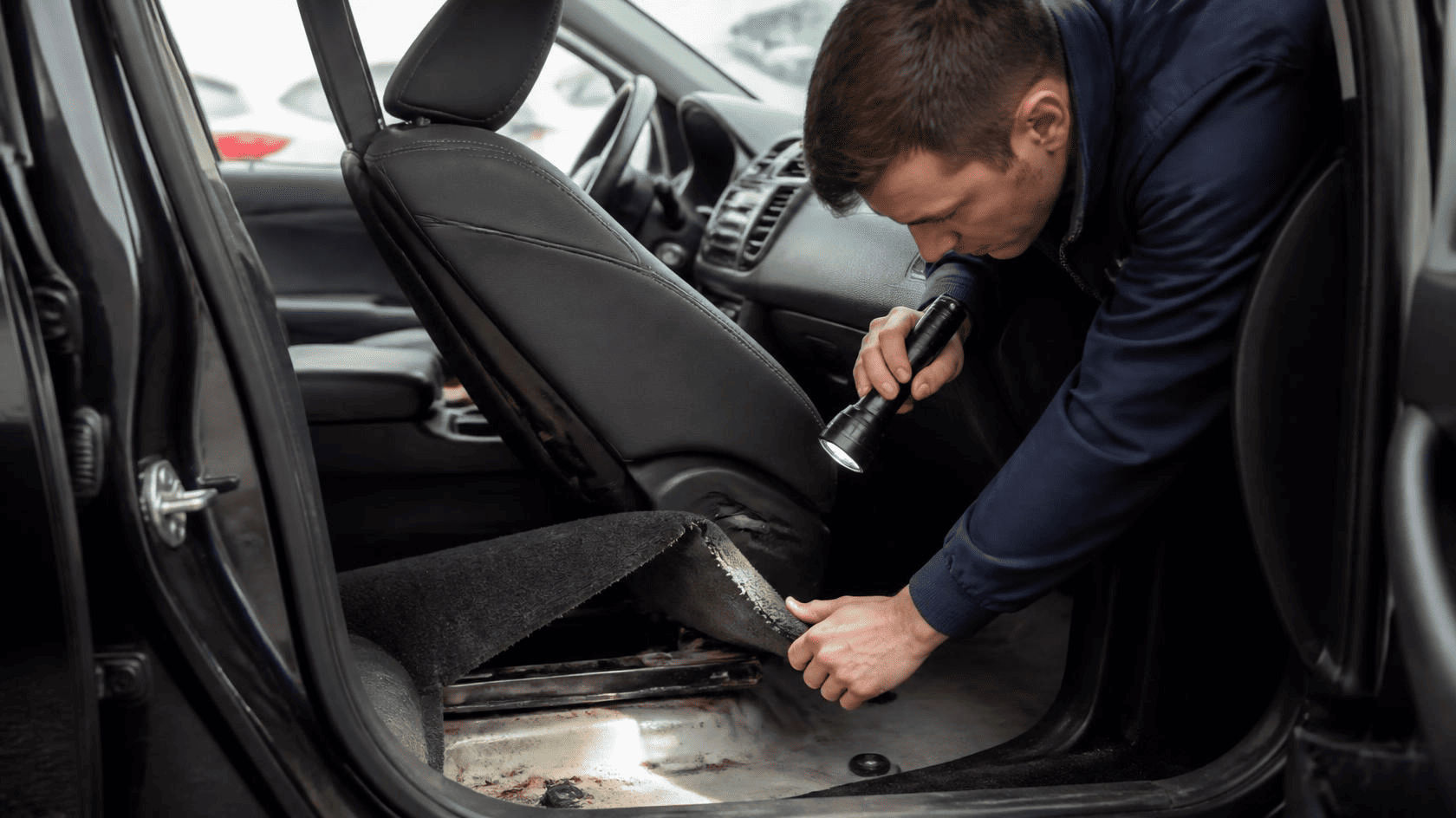 How to Spot a Flood-Damaged Used Car Before You Buy
Sep 16, 2026
How to Spot a Flood-Damaged Used Car Before You Buy
Sep 16, 2026
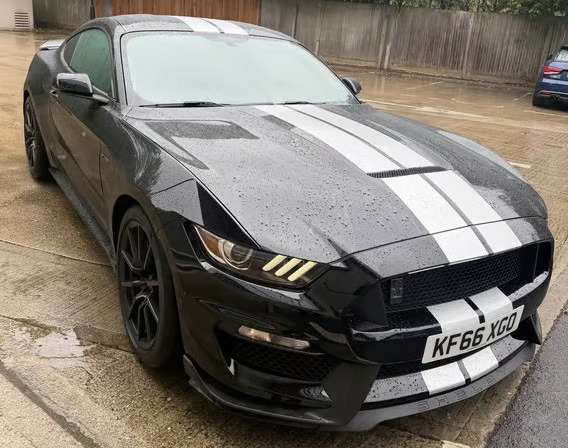 2017 Ford GT for Sale in Tirana for EUR 80000 – A Rare Opportunity to Own an Automotive Icon
Jul 10, 2026
2017 Ford GT for Sale in Tirana for EUR 80000 – A Rare Opportunity to Own an Automotive Icon
Jul 10, 2026


 Google
 Facebook