

 Kiran C
 Kiran C
 Dec 24, 2025
The benefits of hybrid vehicles are well known, as they combine fuel efficiency and lower environmental impact. The key component in these vehicles is the hybrid battery, the most complex component in a hybrid vehicle. There are many potential owners, as well as current owners, who feel a sense of anxiety over battery deterioration and battery replacement. How long do hybrid car batteries last? What is the actual cost of replacement hybrid batteries?
This article will answer all of your questions about hybrid vehicle batteries and provide insight into battery longevity, the factors that affect battery life, and the real costs of replacement, along with ways to help you maximize the value of your hybrid battery. After reading this article, you will know what to expect from your hybrid's most critical part, and make well-informed decisions regarding your hybrid vehicle.

Hybrid cars use a combination of an internal combustion engine (ICE) and an electric motor (or motors) to propel the vehicle. The hybrid battery is the storage source of the electric motor(s). Hybrid batteries store exponentially more energy than a typical 12-volt battery needed to start an engine and power accessories, thereby enabling the hybrid vehicle to operate on electric power, or completely electric power, at various times.
The majority of hybrid vehicles currently in operation are using one of the following types of batteries:
Nickel-Metal Hydride (NiMH): This is the traditional technology supporting hybrid vehicles for many years (the Toyota Prius is one such example). The NiMH battery has been proven to be a very durable and reliable technology, withstanding severe temperature variations. It has a long history of longevity.
Lithium-ion (Li-ion): Batteries will become more common in both hybrid (HEV) and electric vehicle (EV) manufacturers as they become more available to consumers. Li-Ion batteries are smaller, lighter, and have more energy storage capacity than a comparable size NiMH battery. The benefit of being able to hold more energy is better fuel economy and further demonstrated with plug-in hybrids'.
A battery pack is not a single battery; instead, it is made up of a combination of battery cells or modules that are controlled by a Battery Management System (BMS). The BMS monitors the temperature, state of charge, and voltage of each cell within the pack and provides safe and efficient control over the operation as part of the battery life.
A common misconception about hybrid vehicles is that they will require frequent and/or costly replacement of batteries. This is not true; modern hybrid batteries are designed to have an extremely long life, typically lasting for the entire life of the vehicle.
Because of the confidence automakers have in their battery technology, manufacturers typically offer warranty coverage for a minimum of 8 years or 100,000 miles. This coverage is mandated by federal law in the United States. Some states, referred to as "CARB states" (California Air Resources Board), which generally have stricter emissions standards, may have an extended warranty on hybrid batteries. In some states, warranties for hybrid batteries may last 10 years or 150,000 miles.
Real-world experience has shown that many hybrid batteries can often last beyond 200,000 miles, and a majority of original hybrid battery packs from first-generation vehicles are still on the road today. Although hybrid batteries will naturally degrade over time, the rate of hybrid battery capacity loss is typically slow enough so that you will probably not experience any loss of battery capacity in day-to-day operation for years.
Battery Lifespan Hybrid is affected by a wide range of factors. Some of these areas are completely out of your control; others relate specifically to how you drive and care for your vehicle.
Driving Behaviour: When you drive aggressively, speeding up quickly and stopping quickly, your hybrid battery is forced to rapidly charge and discharge, producing more heat and mechanical stress on the battery. Smooth, moderate driving is gentler on the hybrid battery than aggressive driving.
Climate: Batteries will operate optimally when they are in a temperate climate. Batteries do not perform as well when exposed to extreme heat, as high temperatures will accelerate the degradation of battery chemicals. Therefore, hybrids that consistently drive in very hot weather will generally have a shorter hybrid battery lifespan than hybrids driven in more moderate climates.
Charge Patterns (Plug-In Hybrids): For plug-in hybrid electric vehicle (PHEV) owners, regularly charging and discharging the battery from 100% to 0% will add excess stress on the battery, compared to keeping the battery in the 20%-80% range. A good battery management system (BMS) has been designed to protect the hybrid battery from reaching either 0% or 100%.
Mileage: The more frequently a battery is charged and discharged (the more cycles of charge/discharge), the shorter its life span will be. Therefore, the more miles you put on the vehicle, the more likely the battery will wear out sooner than if it had fewer use cycles, though the degradation will occur gradually.
Maintenance: Hybrid batteries have air filters to protect the battery from dust and dirt. Therefore, if those filters are clogged with contaminants, this will impede the cooling of the hybrid battery, leading to premature thermal degradation.

The potential for a large repair bill is a primary factor when consumers are thinking about buying a hybrid vehicle. Although, the cost to replace the entire hybrid battery has simplified throughout the years and many options available today than ever before.
When it comes to the cost of replacing the hybrid battery, there is a wide range of prices depending on several important factors:
Auto Manufacturer and Model: A battery for a large luxury hybrid SUV will be priced higher than the cost of a small compact sedan such as the Toyota Prius.
Battery Type: The only option available before was to purchase a new battery from the car dealership.
Service Time: The type of service provided at a repair shop will dictate how much the labor will cost to replace the battery, as these charges vary significantly by area and hourly rate.
We will discuss the differences in the three options and their costs.
Getting quotes from different places - like your dealer and trustworthy independent hybrid repair centers - is essential. Before choosing who to buy your refurbished hybrid battery from, do extensive research on their credibility and battery-testing processes, as well as their warranties. Good warranties for refurbished hybrid batteries provide you with peace of mind for a much lower cost than purchasing a new hybrid battery.

Hybrid vehicle ownership presents a variety of benefits and challenges associated with hybrid battery technology.
Many preventative techniques exist to help maintain the health of your hybrid vehicle's battery; good habits will help prolong the time until your hybrid vehicle's battery needs to be replaced and save you money over time.
Smooth Driving Habits: Avoid 'jackrabbit' starts and 'hard' stops. When possible, accelerate steadily and coast to a stop as much as possible to reduce stress on your battery and improve the ability of your vehicle's regenerative braking system to return energy back to the battery.
Maintaining Your Battery Cooling System: Maintaining your battery's cooling system is arguably the most important part of ensuring your battery stays healthy. Make sure that your vehicle's battery air intake vents and filters are clean and free from obstructions. The location of your battery filter can usually be found in the owner's manual; check this location during your routine service checks.
Do Not Ignore Dashboard Warning Lights: Never ignore dashboard warning lights. Have a hybrid vehicle with a flashing "Check Hybrid System" or other battery-related dashboard light diagnosed by a service professional as soon as possible. Allowing a minor issue like a defective cooling fan or individual battery cell to remain unaddressed may result in a cascading failure that causes permanent damage to the entire battery pack.
Park in the Shade: Whenever possible (particularly during hot summer months), parking your hybrid vehicle in a garage or shaded area will keep your cabin cooler, which will help preserve your hybrid's long-term health and maintenance of its battery pack.
Drive Your Hybrid Vehicle to Keep Battery Charged: Hybrid batteries that are allowed to remain 'cold' (for no less than several weeks or months when not in operation) can negatively affect the health of your battery.A hybrid battery pack will remain balanced and 'used' when driven regularly. If you plan on storing your hybrid vehicle for any period of time, please refer to your owner's manual before doing so.

The Hybrid Battery system is a highly developed, robust and reliable engineering component that will last for many years and hundreds of thousands of miles. Many owners will never incur the expense associated with replacing their batteries throughout the life of ownership due to the fact that the cost of the first battery is already factored into the purchase price of the vehicle, and there are very lengthy warranties offered by the manufacturers about the longevity of the battery.
By understanding how the battery functions, developing safe driving practices, and performing basic maintenance such as keeping the cooling system clean, you will be able to greatly enhance the lifespan of your battery. If you ever require a new battery down the road, the current market is growing to offer refurbished batteries, which is a far less costly option than replacing your battery with a brand new one. With this knowledge at hand, you can confidently operate your hybrid vehicle with improved fuel efficiency, while leaving a decreased carbon footprint for many years to come.
Typically not. A hybrid vehicle contains two energy sources/gasoline and an HV battery that start the vehicle and power the hybrid electrical system. If your HV battery fails, you will usually be unable to start or drive your hybrid vehicle. The HV battery is different from the more commonly known 12-volt auxiliary battery. If the 12-volt battery is dead, you can use jumper cables to restart the vehicle.
Generally, you cannot. Although the gasoline engine is present, the high-voltage battery is needed to turn on the vehicle and operate the entire hybrid powertrain. Generally speaking, if the high-voltage battery fails, the vehicle will be unable to start or operate. The 12-volt auxiliary battery, on the other hand, can be jump-started similarly to a conventional vehicle if it becomes discharged.
A failing battery will cause the vehicle to get worse gas mileage and make the ICE run more often than usual. If a hybrid’s state-of-charge can fluctuate rapidly, this may also indicate a failing battery. Lastly, the hybrid battery state-of-charge light on the dashboard may illuminate.
A refurbished hybrid battery will function similarly to a new hybrid battery. To ensure maximum performance from your hybrid battery, it is important that the battery pack is evenly charged and that weak cells are replaced with stronger cells.
Aside from potentially needing to replace the hybrid battery many years after purchase, hybrid vehicles typically have lower maintenance costs compared to traditional vehicles. The regenerative braking feature reduces wear on the brakes, and the gasoline engine on a hybrid doesn’t work as hard or as often. This ultimately results in longer periods between oil changes and decreased wear on the engine.
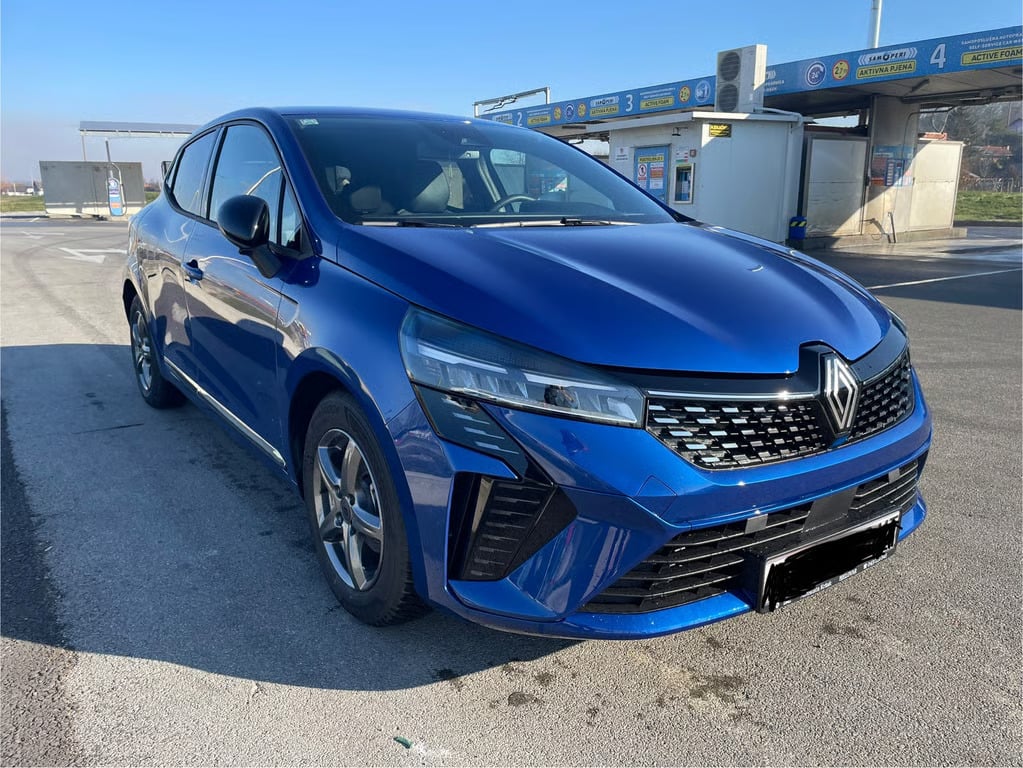 Meet the 2024 Renault Clio - Small Car, Big Personality!
Dec 18, 2025
Meet the 2024 Renault Clio - Small Car, Big Personality!
Dec 18, 2025
 How Smart Search Filters Help Find the Perfect Car Quickly
Dec 09, 2025
How Smart Search Filters Help Find the Perfect Car Quickly
Dec 09, 2025