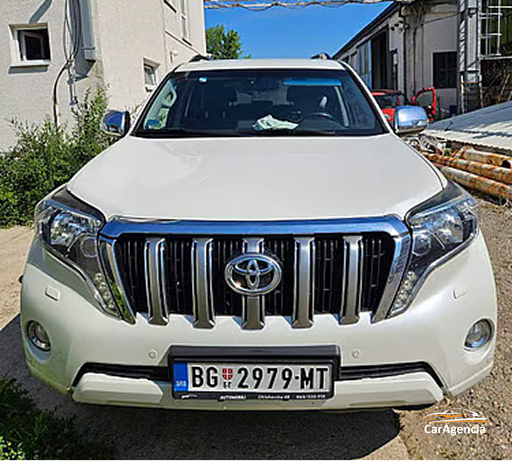
The 2016 Toyota Land Cruiser is one of the most reliable and best-performing SUVs that you can buy and have help you do what you are looking to do, especially if it is off-road as a great weekend adventure, or if you prefer a style of vehicle that offers many upgraded luxuries and convenience. Whoever or whatever you are seeking quality and durability for, this used vehicle is being offered at great pricing of EUR 39,000, with a mileage of 225,461 miles.
If you are adventurous or have active kids, this SUV would be perfect for your active lifestyle and you would get the deal of your life.
Exploring the 2016 Toyota Land Cruiser
The Toyota Land Cruiser has been synonymous with toughness and dependability. The 2016 model builds upon its predecessors, providing a unique package of quality, performance, luxury, and utility. Let's see what makes this Land Cruiser an option worth looking at.
Performance and Durability
The 2016 Land Cruiser is equipped with a strong V8 engine, powerful and smooth at the same time. It also comes with an elegant full-time all-wheel drive that gives you superior traction on any terrain. Whether you are going on a weekend adventure off main roads or commuting around the city, the Land Cruiser is up to the job.
Engine: 5.7-liter V8
Horsepower: 381 hp
Transmission: 8-speed automatic
Towing Capacity: 8,100 lbs
Performance is about strength, but it is also about long-standing, reliable vehicles. With 225,461 miles on the odometer, the Land Cruiser can attest to its myriads of owners it has serviced during its lifetime.
Comfort and Features
For comfort, the 2016 Toyota Land Cruiser has a cabin that is built for comfort and functionality. The premium leather upholstery, ample cabin space, and latest technology leave everyone on board with a pleasurable experience.
Some of the interior features include:
Front heated and cooled seats for year-round comfort
4-zone automatic climate control allowing all to ride in their comfort zones
Infotainment system with a 9-inch touchscreen, navigation, and smartphone integration
Although this vehicle is used, it is in great shape, providing an almost like-new experience without wearing down on the inside yet.
Safety When it Matters
Safety has always been an important part of Toyota's history, so it is nice to see those efforts still in the 2016 Land Cruiser. This vehicle has several safety technologies designed to keep you and your family road-safe.
Some safety features include:
Toyota Safety Sense package includes lane departure alert and adaptive cruise control
10 airbags standard as part of the safety specs
Rearview camera and parking sensors, which are huge in busy parts of a city
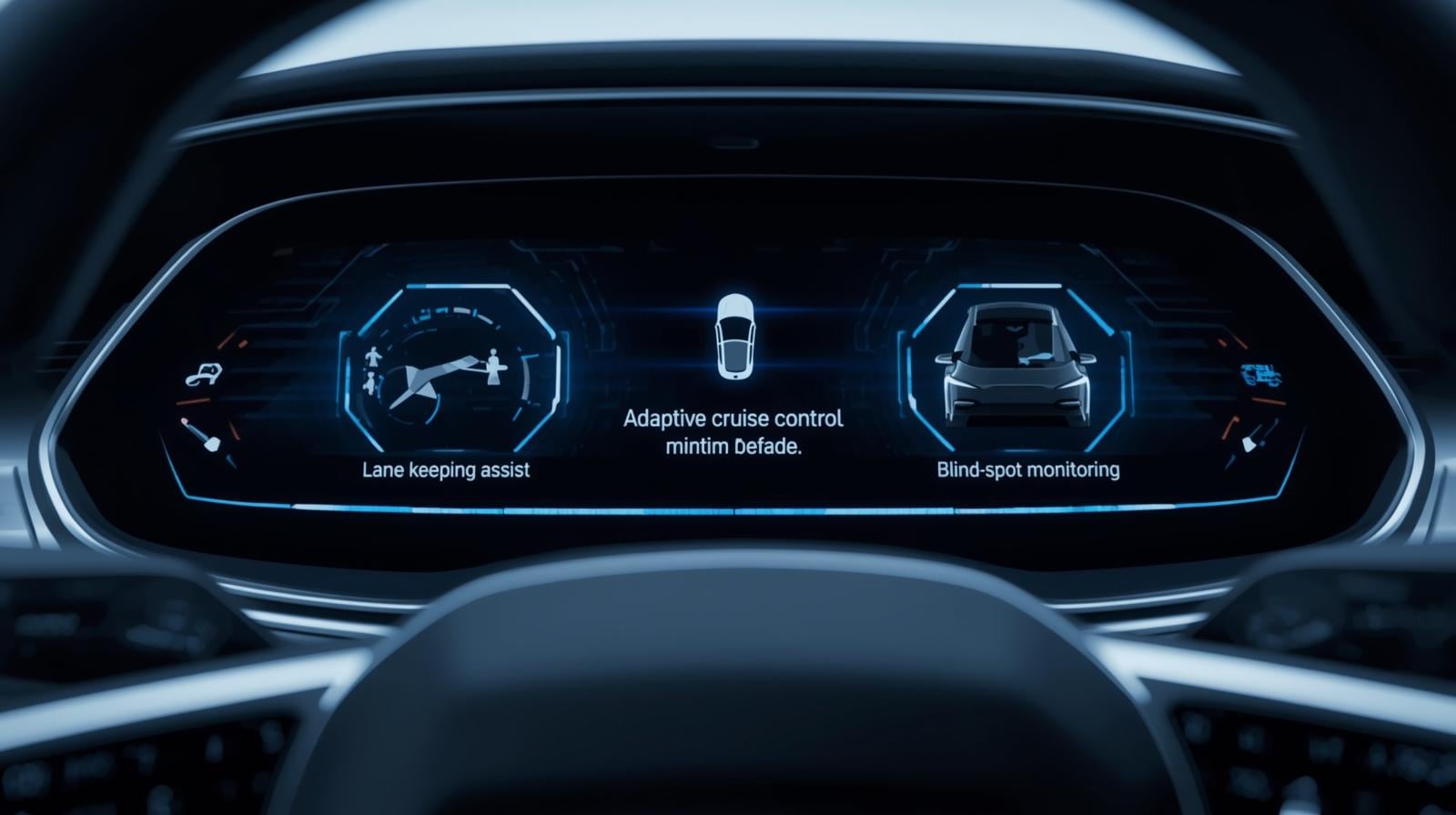
Blind-spot monitoring and lane departure warning/tracking to help you stay safe on the highway
With all these features, you can rest easy knowing that you have invested in one of the best safety technologies on the market.
The Value of Buying Used
Buying this used 2016 Toyota Land Cruiser is, at best, a phenomenal deal. Based on Toyota's long-lasting reputation value, even with 225,461 miles, the SUV will stack up against many of the newer vehicles. You are buying reliability at a price that is much more resale-effective, being priced at EUR 39,000. It is clear that purchasing quality is still there, for affordability for someone coming in at a resale level.
One of the benefits, in your case, of buying a used SUV is that the depreciation rate will naturally be more gentle, and so you have the choice to own a prestigious vehicle without the price tag of a brand-new option.
Why a 2016 Toyota Land Cruiser is the Ideal Option
If you're looking for an SUV that can do the dirty work while providing you with all the creature comforts you could ask for, you should strongly consider the 2016 Toyota Land Cruiser. Here's why this model is a great option:
Unmatched reliability - Each iteration of the Land Cruiser has been tested for high mileage and performance capable of covering distance while remaining in admirable condition.
Versatility - Whether you are taking it off-road or driving it around town, this SUV can satisfy your needs.
Premium comfort and technology - Every outing will be enjoyed with creature comforts and a smooth and serene travel experience.
Investment-worthy - A long-term durable vehicle with second-hand resale potential.
The vehicle is located in Novi Sad, Serbia, and sold by a private seller who has maintained the vehicle very well. The listing includes quality pictures of the premium exterior and excellent condition interior so you can see that this vehicle has been very well cared for.
Don't Miss it - Act Now!
The 2016 Toyota Land Cruiser is the best bet for value and an SUV with high performance and reliability with no strings attached. Priced competitively at EUR 39,000, don't waste time as this vehicle may be off the pre-owned market quick. If this sounds like the vehicle for you, contact the seller or add the listing to your watch-list now!
Check out similar vehicles or begin your car shopping experience today on CarAgencia.eu and check out a variety of reliable and versatile car options.
Make your next adventure memorable-- with a Toyota Land Cruiser, where durability meets luxury.
What Will You Do Next?
Contact the seller now or check out more options now! Don't delay-- it could be your next adventure!
In recent years, technologies such as automatic emergency brake systems OR lane keeping assist systems were considered to be similar to movies or our favorite stories, but with most manufacturers including these technologies as standard equipment on most of their models this has been a big development. And with the introduction of these technologies into the market we are now seeing the impact of these technologies on automotive consumers and how they will affect the pricing of used cars will have an impact on the safety, reliability, and cost of maintaining or repairing these vehicles.It’s important to understand the dynamic created by these technologies when purchasing or selling a pre-owned vehicle. No longer is it a luxury feature, but rather a key part of the process by consumers searching for an economical and safe alternative to purchasing a new vehicle at a higher price point. This guide will identify some of the different ways that these technologies have impacted the used car marketplace and give insight as to how buyers and sellers will need to adjust their thinking in order to take advantage of this technological evolution.So what is ADAS?Before we get into the specifics we will clarify what is included under the term “ADAS.” In general it’s a broad definition and refers to an assortment of various electronic devices that assist and improve the safety of the driver. ADAS systems are NOT 100% autonomous. ADAS systems use various sensor devices, cameras, and radar that will continuously monitor the vehicle and surrounding area for the driver and either alert them OR take over part of the control of the vehicle.Common ADAS Features to Look ForWhen you're shopping for a used car, you might encounter a wide range of ADAS technologies. Their names can vary by manufacturer, but their functions are generally similar.Feature NamePrimary FunctionHow It HelpsAdaptive Cruise Control (ACC)Maintains a set speed and a safe following distance from the vehicle ahead.Reduces driver fatigue on long highway drives and can prevent rear-end collisions.Automatic Emergency Braking (AEB)Detects an impending collision and automatically applies the brakes if the driver doesn't react in time.Significantly reduces the severity of, or completely avoids, frontal crashes.Blind-Spot Monitoring (BSM)Alerts the driver to vehicles in their blind spots, typically with a visual or audible warning.Helps prevent collisions during lane changes.Lane-Keeping Assist (LKA)Provides gentle steering input to help keep the vehicle centered in its lane.Prevents unintentional lane drifting due to distraction or fatigue.Rear Cross-Traffic Alert (RCTA)Warns the driver of approaching vehicles when backing out of a parking space.Makes reversing in busy parking lots much safer.Forward Collision Warning (FCW)Scans the road ahead and alerts the driver to a potential collision.Gives the driver more time to react and brake.The Pros and Cons of ADAS in Used CarsWhen considering an ADAS-equipped used vehicle, a consumer should carefully weigh the positive and negative aspects. There are benefits and risks of purchasing an ADAS-equipped used vehicle, and consumers should consider both before purchasing a vehicle that has ADAS.ProsConsEnhanced Safety: Statistically proven to reduce accidents and injuries.Higher Repair Costs: Calibrating sensors after minor repairs can be expensive.Increased Resale Value: Cars with ADAS often hold their value better.Potential for Malfunctions: Complex electronics can fail and be costly to fix.Improved Driving Comfort: Features like ACC reduce driver fatigue on long trips.Over-reliance: Drivers may become less attentive, leading to complacency.Lower Insurance Premiums: Many insurers offer discounts for vehicles with advanced safety features.Complexity for DIY Mechanics: Most ADAS repairs require specialized tools and knowledge.Future-Proofing: Owning a car with modern tech keeps it relevant for longer.Inconsistent Performance: Systems can be affected by weather (rain, snow) or dirty sensors.The Financial Equation of ADAS and Its Effect on Vehicle PricesOne of the many questions people have about advanced driver-assistance systems (ADAS) is how it affects the price of a used car. Advanced driver-assistance systems increase the complexity of how vehicles are valued (what something is worth), what it costs to repair, and how much insurance a vehicle may cost.Resale ValueCars that have a full suite of advanced driver-assistance systems generally have a higher resale value than those without. As safety becomes a more important consideration for many families and individuals, it is likely that the demand for these features will continue to grow. For example, a 2018 model equipped with advanced driver-assistance systems could be similar in price as a 2019 entry-level model that did not have them.As the availability of advanced driver-assistance systems increases for new cars, it is expected that the prices of older cars that do not have advanced driver-assistance features will drop more quickly. For sellers of cars, highlighting the fact that they have advanced driver-assistance systems is an effective marketing tool. For buyers, it may be worthwhile to consider paying a little bit more upfront to buy a car with advanced driver-assistance systems, as it is likely to retain its value better over time.Repair and Maintenance ConsiderationsAlthough advanced driver-assistance systems improve safety for drivers, they also create new opportunities for maintenance and repair of vehicles. The cameras and radar used to create these systems are often located on the exterior of the vehicle, in locations that are particularly vulnerable to accident damage (e.g., the windshield, bumper, mirror area).As an example, replacing a windshield would not typically require a lot of time, but it would require recalibrating the camera and radar used for lane-keeping and automatic emergency brake systems. Replacing that same windshield. However, will require not only the new glass but also the recalibration of The process of calibrating advanced driver assistance systems (ADAS) requires trained technicians and specialized equipment (those that can range anywhere from hundreds to thousands of dollars). A simple fender bender causing damage to the radar sensor located in the bumper can lead to extreme repair costs. Insurance Premiums and ADASMany insurance companies recognize the safety benefits associated with ADAS systems. As a result, many insurance companies offer discounts on vehicles with crash-avoidance features that have been proven to reduce the number and severity of accidents, such as:Automatic emergency brakingForward collision warningBlind-spot monitoringMake sure you tell your insurance company about all the ADAS systems included in the used vehicle you are considering and ask for a quote that reflects those systems. While the savings may not be huge, over time, they can help defray the increased repair costs associated with these types of systems.How to Test ADAS When Purchasing a Used VehicleWhen test-driving a used car that has ADAS features, you should not just concentrate on the engine and transmission performance. You need to also check that the safety systems are operational.Be Aware of Warning Signals: When you turn on your vehicle, take a look at the dashboard and note any warning symbols associated with ADAS. Some common ADAS warning icons include "ACC", "LKA" and generic system malfunction indicator. These symbols should quickly illuminate, then shut off; failure to turn off could represent a fault condition.Test Functions in Controlled Environments: While out on a leisurely drive, test out the system at a low-traffic location. Utilize the adaptive cruise control while driving on highways. If driving on a multi-lane street, test to see if the blind spot monitoring system lights up whenever a vehicle/other road user is in the adjacent lane. You should never attempt to test the automatic emergency braking feature yourself.Inspect the Vehicle for Damage: Check the bumper, windshield and grille for evidence of damage or recent repairs. If the bumper is not properly aligned or the windshield has been poorly replaced, it's likely the ADAS sensors were not properly calibrated when the parts were replaced.Obtain Vehicle History Reports: In addition to providing insight into accidents that may have caused damage to the ADAS components of the vehicle, a vehicle history report may also provide crucial information on whether the vehicle has been manufactured or marketed as a new/used automobile.Obtain Pre-Purchase Inspection(s): This is the most important factor when selecting a vehicle. Take your vehicle to an experienced automotive technician or repair facility who is experienced with scanning the ADAS system for malfunction codes. A qualified technician can identify any hidden electrical problems that may not be detected during a test drive.Best Used Vehicles with ADASThere are many makes/models of vehicles with ADAS that have become available within the last few years. Use the following list of ADAS-equipped vehicles, which will give you a good idea of which vehicles to purchase.A Sample List of Popular Used Vehicles and Package Names for ADAS ExaminationThis section contains all of the above-mentioned information for ADAS-equipped vehicles along with the corresponding package names.ManufacturerModel ExamplesCommon ADAS Package Name(s)Key Features Often IncludedHondaCivic, CR-V, AccordHonda SensingACC, LKA, FCW, AEBToyotaCamry, RAV4, CorollaToyota Safety Sense (TSS)Pre-Collision System, Lane Departure Alert, ACCSubaruOutback, Forester, CrosstrekEyeSight Driver Assist TechnologyACC, Pre-Collision Braking, Lane Keep AssistFordEscape, Explorer, F-150Co-Pilot360Blind Spot Info System, LKA, AEBHyundaiElantra, Santa Fe, TucsonSmartSenseFCW, LKA, Driver Attention WarningThe information in this table is a great place to start when searching for a vehicle, but keep in mind that it is not an exhaustive list. Be sure to confirm the specific functions or features on the actual vehicle you are interested in, because many of them were either optional or part of a higher trim level.The Future is HereAdvanced Driver Assistance Systems (ADAS) have quickly evolved from a new technology to a standard in modern vehicle design; they will soon become a major factor in the used car market. These systems provide a significant safety benefit to you and your family while driving. In addition, they will give you more options for how much you will have to spend on your used car and the costs associated with the maintenance and repair of these systems. However, the potential benefits of having these systems far outweigh the costs involved.As long as you know what ADAS is, how to inspect it, and the cost associated with it, you should feel confident in your search for a used car that offers you not only reliability and affordability but also the latest in safety technology. The right used vehicle will provide you with the peace of mind normally associated with purchasing a new vehicle.Frequently Asked Questions1. Should I pay more for a used vehicle that has ADAS?For most people, yes. Safety features such as these can help to reduce the chances of being involved in an accident and thus potentially protecting you from becoming injured and incurring high repair bills. Vehicles with ADAS typically have a higher resale value than those without it, and many insurance companies offer discounts to customers who own vehicles equipped with ADAS. These discounts will eventually offset the additional purchase price you paid for the vehicle.2. Can aftermarket vendors install ADAS features on a vehicle that did not originally have them?Yes, some vendors sell aftermarket ADAS products, including blind-spot monitors and forward-collision warning systems. However, these aftermarket products are generally not as well integrated or reliable as factory-installed systems. The installation of aftermarket ADAS products is often difficult and costly and typically do not function as well as factory-installed systems. Therefore, it is usually less expensive in the long term to purchase a used vehicle that already has ADAS features from the factory than to install them to a used vehicle.3. Are all ADAS systems the same?No. The way that ADAS systems perform and the sensitivity and ease of use can vary greatly by the manufacturer and by model of the manufacturer. For example, some lane-keeping assist systems have aggressive settings, while others are more conservative. Make sure to take the vehicle for a test drive so you can gauge how comfortable you are with the performance of the ADAS systems.4. What happens when an ADAS sensor is dirty?Most ADAS systems will recognize that there is a blockage (i.e., dirt, snow or ice) on a camera or sensor. Once the camera or sensor is blocked, the ADAS system will typically disable itself and then display a message on the dashboard stating, "Front Radar Blocked." The ADAS system is generally designed to return to normal whenever the camera or sensor is cleaned.5. How can I determine whether the used vehicle I am considering has been involved in an accident that affected the ADAS?Always obtain a vehicle history report from a reliable source (e.g., CarFax or AutoCheck). The most important action is to schedule a pre-purchase inspection (PPI) with a mechanic that has experience with ADAS. A qualified mechanic will be able to identify any previous damage that is hidden and will have access to diagnostic tools to ensure that the ADAS systems are performing properly and calipered correctly.
The benefits of hybrid vehicles are well known, as they combine fuel efficiency and lower environmental impact. The key component in these vehicles is the hybrid battery, the most complex component in a hybrid vehicle. There are many potential owners, as well as current owners, who feel a sense of anxiety over battery deterioration and battery replacement. How long do hybrid car batteries last? What is the actual cost of replacement hybrid batteries?This article will answer all of your questions about hybrid vehicle batteries and provide insight into battery longevity, the factors that affect battery life, and the real costs of replacement, along with ways to help you maximize the value of your hybrid battery. After reading this article, you will know what to expect from your hybrid's most critical part, and make well-informed decisions regarding your hybrid vehicle.What Is a Hybrid Car Battery?Hybrid cars use a combination of an internal combustion engine (ICE) and an electric motor (or motors) to propel the vehicle. The hybrid battery is the storage source of the electric motor(s). Hybrid batteries store exponentially more energy than a typical 12-volt battery needed to start an engine and power accessories, thereby enabling the hybrid vehicle to operate on electric power, or completely electric power, at various times.The majority of hybrid vehicles currently in operation are using one of the following types of batteries:Nickel-Metal Hydride (NiMH): This is the traditional technology supporting hybrid vehicles for many years (the Toyota Prius is one such example). The NiMH battery has been proven to be a very durable and reliable technology, withstanding severe temperature variations. It has a long history of longevity.Lithium-ion (Li-ion): Batteries will become more common in both hybrid (HEV) and electric vehicle (EV) manufacturers as they become more available to consumers. Li-Ion batteries are smaller, lighter, and have more energy storage capacity than a comparable size NiMH battery. The benefit of being able to hold more energy is better fuel economy and further demonstrated with plug-in hybrids'.A battery pack is not a single battery; instead, it is made up of a combination of battery cells or modules that are controlled by a Battery Management System (BMS). The BMS monitors the temperature, state of charge, and voltage of each cell within the pack and provides safe and efficient control over the operation as part of the battery life.How Long Will a Hybrid Battery Last?A common misconception about hybrid vehicles is that they will require frequent and/or costly replacement of batteries. This is not true; modern hybrid batteries are designed to have an extremely long life, typically lasting for the entire life of the vehicle.Because of the confidence automakers have in their battery technology, manufacturers typically offer warranty coverage for a minimum of 8 years or 100,000 miles. This coverage is mandated by federal law in the United States. Some states, referred to as "CARB states" (California Air Resources Board), which generally have stricter emissions standards, may have an extended warranty on hybrid batteries. In some states, warranties for hybrid batteries may last 10 years or 150,000 miles.Real-world experience has shown that many hybrid batteries can often last beyond 200,000 miles, and a majority of original hybrid battery packs from first-generation vehicles are still on the road today. Although hybrid batteries will naturally degrade over time, the rate of hybrid battery capacity loss is typically slow enough so that you will probably not experience any loss of battery capacity in day-to-day operation for years.Battery Lifespan InfluencersBattery Lifespan Hybrid is affected by a wide range of factors. Some of these areas are completely out of your control; others relate specifically to how you drive and care for your vehicle.Driving Behaviour: When you drive aggressively, speeding up quickly and stopping quickly, your hybrid battery is forced to rapidly charge and discharge, producing more heat and mechanical stress on the battery. Smooth, moderate driving is gentler on the hybrid battery than aggressive driving.Climate: Batteries will operate optimally when they are in a temperate climate. Batteries do not perform as well when exposed to extreme heat, as high temperatures will accelerate the degradation of battery chemicals. Therefore, hybrids that consistently drive in very hot weather will generally have a shorter hybrid battery lifespan than hybrids driven in more moderate climates.Charge Patterns (Plug-In Hybrids): For plug-in hybrid electric vehicle (PHEV) owners, regularly charging and discharging the battery from 100% to 0% will add excess stress on the battery, compared to keeping the battery in the 20%-80% range. A good battery management system (BMS) has been designed to protect the hybrid battery from reaching either 0% or 100%.Mileage: The more frequently a battery is charged and discharged (the more cycles of charge/discharge), the shorter its life span will be. Therefore, the more miles you put on the vehicle, the more likely the battery will wear out sooner than if it had fewer use cycles, though the degradation will occur gradually.Maintenance: Hybrid batteries have air filters to protect the battery from dust and dirt. Therefore, if those filters are clogged with contaminants, this will impede the cooling of the hybrid battery, leading to premature thermal degradation.What Is The Cost of Replacing a Hybrid Battery?The potential for a large repair bill is a primary factor when consumers are thinking about buying a hybrid vehicle. Although, the cost to replace the entire hybrid battery has simplified throughout the years and many options available today than ever before.When it comes to the cost of replacing the hybrid battery, there is a wide range of prices depending on several important factors:Auto Manufacturer and Model: A battery for a large luxury hybrid SUV will be priced higher than the cost of a small compact sedan such as the Toyota Prius.Battery Type: The only option available before was to purchase a new battery from the car dealership.Service Time: The type of service provided at a repair shop will dictate how much the labor will cost to replace the battery, as these charges vary significantly by area and hourly rate.We will discuss the differences in the three options and their costs.Replacement OptionEstimated Cost Range (including labor)DescriptionNew OEM Battery$3,000 - $8,000+A brand-new battery pack directly from the Original Equipment Manufacturer (OEM). This is the most expensive option but comes with the longest warranty and guaranteed compatibility.Reconditioned/Refurbished Battery$1,500 - $4,500A used battery pack where faulty modules have been identified and replaced with working ones. The pack is then balanced and tested. This is a popular and cost-effective solution.Used Battery$1,000 - $3,000A battery taken from a salvage vehicle. This is the riskiest option, as the battery's history and remaining lifespan are often unknown. It typically comes with a very limited warranty, if any.Getting quotes from different places - like your dealer and trustworthy independent hybrid repair centers - is essential. Before choosing who to buy your refurbished hybrid battery from, do extensive research on their credibility and battery-testing processes, as well as their warranties. Good warranties for refurbished hybrid batteries provide you with peace of mind for a much lower cost than purchasing a new hybrid battery.Advantages and Disadvantages of Hybrid Battery SustainabilityHybrid vehicle ownership presents a variety of benefits and challenges associated with hybrid battery technology.ProsConsExcellent Fuel Economy: The primary benefit. The electric motor assists the engine, significantly reducing gasoline consumption, especially in city and stop-and-go traffic.Potential Replacement Cost: Although often not needed, the hybrid battery replacement cost is a significant potential expense that owners should be aware of.Lower Emissions: Burning less fuel means producing fewer greenhouse gases and other pollutants, making hybrids a more environmentally friendly choice.Performance in Extreme Cold: Battery performance can be temporarily reduced in very cold weather, which may slightly impact fuel efficiency and electric-only range.Long Lifespan & Warranty: Batteries are designed to last 150,000+ miles and come with robust manufacturer warranties of at least 8 years/100,000 miles.Complex Technology: Repairing a high-voltage battery system requires specialized training and equipment, meaning not all mechanics can work on them.Quiet Operation: When running on electric power, the vehicle is nearly silent, providing a smooth and peaceful driving experience.Battery Degradation: All batteries lose capacity over time. While gradual, this will eventually lead to slightly reduced fuel economy as the battery holds less charge.Reduced Brake Wear: Hybrids use regenerative braking to recharge the battery, which means the traditional brake pads and rotors are used less frequently and last longer.Weight: The battery pack adds several hundred pounds to the vehicle's weight, which can slightly affect handling compared to its non-hybrid counterpart.Maximize the Life of Your Hybrid Vehicle's BatteryMany preventative techniques exist to help maintain the health of your hybrid vehicle's battery; good habits will help prolong the time until your hybrid vehicle's battery needs to be replaced and save you money over time.Smooth Driving Habits: Avoid 'jackrabbit' starts and 'hard' stops. When possible, accelerate steadily and coast to a stop as much as possible to reduce stress on your battery and improve the ability of your vehicle's regenerative braking system to return energy back to the battery.Maintaining Your Battery Cooling System: Maintaining your battery's cooling system is arguably the most important part of ensuring your battery stays healthy. Make sure that your vehicle's battery air intake vents and filters are clean and free from obstructions. The location of your battery filter can usually be found in the owner's manual; check this location during your routine service checks.Do Not Ignore Dashboard Warning Lights: Never ignore dashboard warning lights. Have a hybrid vehicle with a flashing "Check Hybrid System" or other battery-related dashboard light diagnosed by a service professional as soon as possible. Allowing a minor issue like a defective cooling fan or individual battery cell to remain unaddressed may result in a cascading failure that causes permanent damage to the entire battery pack.Park in the Shade: Whenever possible (particularly during hot summer months), parking your hybrid vehicle in a garage or shaded area will keep your cabin cooler, which will help preserve your hybrid's long-term health and maintenance of its battery pack.Drive Your Hybrid Vehicle to Keep Battery Charged: Hybrid batteries that are allowed to remain 'cold' (for no less than several weeks or months when not in operation) can negatively affect the health of your battery.A hybrid battery pack will remain balanced and 'used' when driven regularly. If you plan on storing your hybrid vehicle for any period of time, please refer to your owner's manual before doing so.ConclusionThe Hybrid Battery system is a highly developed, robust and reliable engineering component that will last for many years and hundreds of thousands of miles. Many owners will never incur the expense associated with replacing their batteries throughout the life of ownership due to the fact that the cost of the first battery is already factored into the purchase price of the vehicle, and there are very lengthy warranties offered by the manufacturers about the longevity of the battery.By understanding how the battery functions, developing safe driving practices, and performing basic maintenance such as keeping the cooling system clean, you will be able to greatly enhance the lifespan of your battery. If you ever require a new battery down the road, the current market is growing to offer refurbished batteries, which is a far less costly option than replacing your battery with a brand new one. With this knowledge at hand, you can confidently operate your hybrid vehicle with improved fuel efficiency, while leaving a decreased carbon footprint for many years to come.Frequently Asked Questions (FAQs)1. Will a hybrid vehicle start when the hybrid battery fails?Typically not. A hybrid vehicle contains two energy sources/gasoline and an HV battery that start the vehicle and power the hybrid electrical system. If your HV battery fails, you will usually be unable to start or drive your hybrid vehicle. The HV battery is different from the more commonly known 12-volt auxiliary battery. If the 12-volt battery is dead, you can use jumper cables to restart the vehicle.2. Should You Replace the Hybrid Battery in an Older Vehicle?Generally, you cannot. Although the gasoline engine is present, the high-voltage battery is needed to turn on the vehicle and operate the entire hybrid powertrain. Generally speaking, if the high-voltage battery fails, the vehicle will be unable to start or operate. The 12-volt auxiliary battery, on the other hand, can be jump-started similarly to a conventional vehicle if it becomes discharged.3. What Are the Signs that My Hybrid Battery is Failing?A failing battery will cause the vehicle to get worse gas mileage and make the ICE run more often than usual. If a hybrid’s state-of-charge can fluctuate rapidly, this may also indicate a failing battery. Lastly, the hybrid battery state-of-charge light on the dashboard may illuminate.4. Will a Refurbished Hybrid Battery Work as Well as a New Hybrid Battery?A refurbished hybrid battery will function similarly to a new hybrid battery. To ensure maximum performance from your hybrid battery, it is important that the battery pack is evenly charged and that weak cells are replaced with stronger cells.5. Are Hybrid Vehicles More Expensive to Maintain Than Traditional Vehicles?Aside from potentially needing to replace the hybrid battery many years after purchase, hybrid vehicles typically have lower maintenance costs compared to traditional vehicles. The regenerative braking feature reduces wear on the brakes, and the gasoline engine on a hybrid doesn’t work as hard or as often. This ultimately results in longer periods between oil changes and decreased wear on the engine.